The Palband Blog
Why Reusable Pallet Wraps Are Replacing Plastic Stretch Film in UK Warehouses
Plastic stretch film has been a long standing choice for securing palletised goods, yet many UK warehouses are now moving toward reusable pallet wraps as part of wider efforts to reduce waste and improve efficiency. Sustainability reporting, higher material costs and the Plastic Packaging Tax are all influencing teams to reconsider traditional wrapping methods and explore an alternative pallet wrap that performs better over time.
Reusability delivers a clear advantage. Removing single use film from daily pallet handling reduces waste volumes, lowers long term operating costs and supports safer working conditions by eliminating the repetitive strain and trip hazards associated with loose plastic.
Many supply chain partners are also placing greater emphasis on sustainable operations, further accelerating the shift toward reusable solutions.
Within this transition, the move toward products such as the range of reusable pallet covers from Palband reflects a practical and durable approach to securing loads without relying on plastic stretch film. The trend is being driven by a combination of cost control, sustainability goals and day to day operational improvements.
The Limitations of Plastic Stretch Film in Modern Warehousing
Although widely used, plastic stretch film presents clear limitations. Disposal costs, inconsistent load stability and the physical strain of hand wrapping make it less suitable for modern warehouse environments. Repetitive wrapping increases the risk of strain injuries, and loose film on the floor can create slip hazards. As businesses evaluate the most effective pallet wrap UK solutions, these drawbacks have become more prominent.
Environmental and regulatory pressures add further complexity. Lightweight stretch film often becomes contaminated, making recycling difficult, and large volumes of it must be disposed of daily.
Industry discussions continue to highlight uncertainty around the future of plastic film use, including recent commentary on European policy positions.
A relevant example is the report on plastic film sector responses in Europe featured by Recycling Today. While exemptions may be discussed at policy level, the wider direction of travel for UK warehouses continues to prioritise reducing single use materials rather than increasing reliance on them.
Combined, these limitations reinforce why reusable pallet wraps are becoming a more practical option for warehouses seeking consistent performance and lower waste.
Why Reusable Pallet Wraps Are Becoming the Preferred Choice
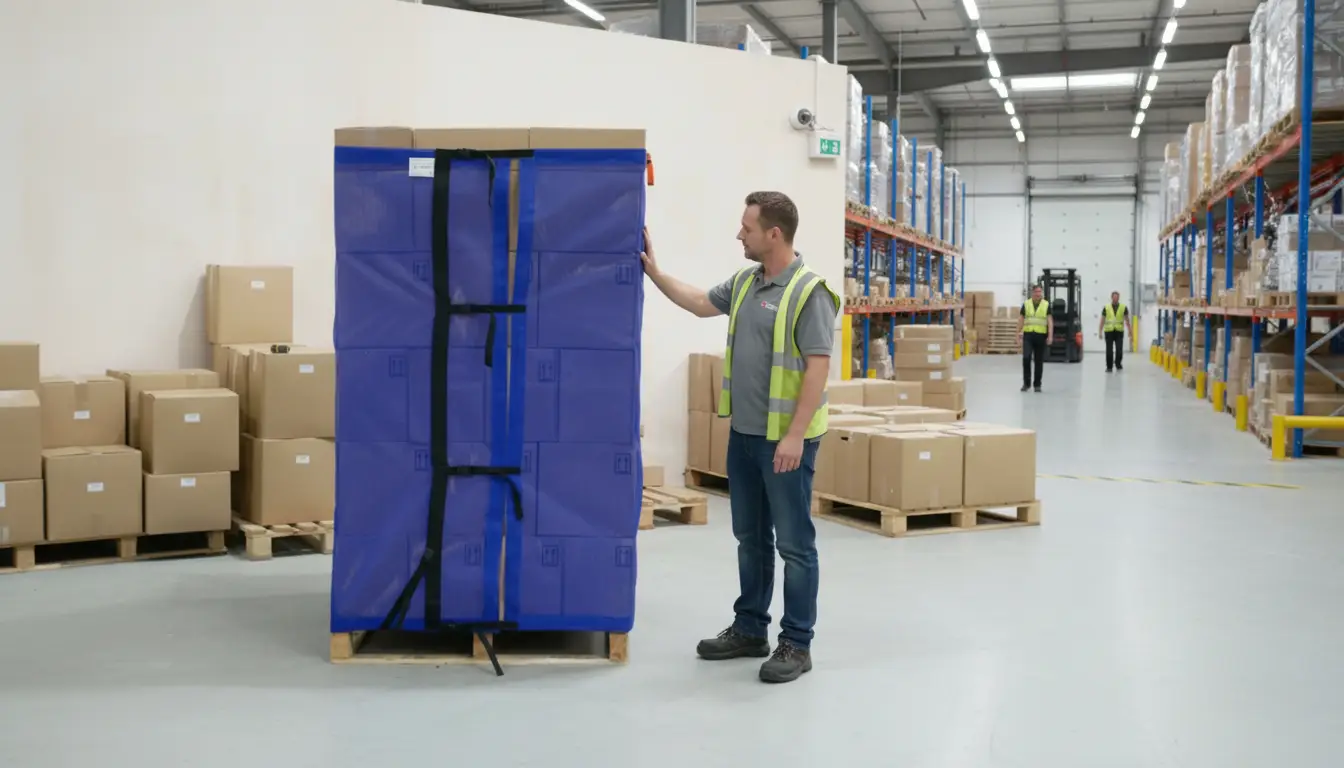
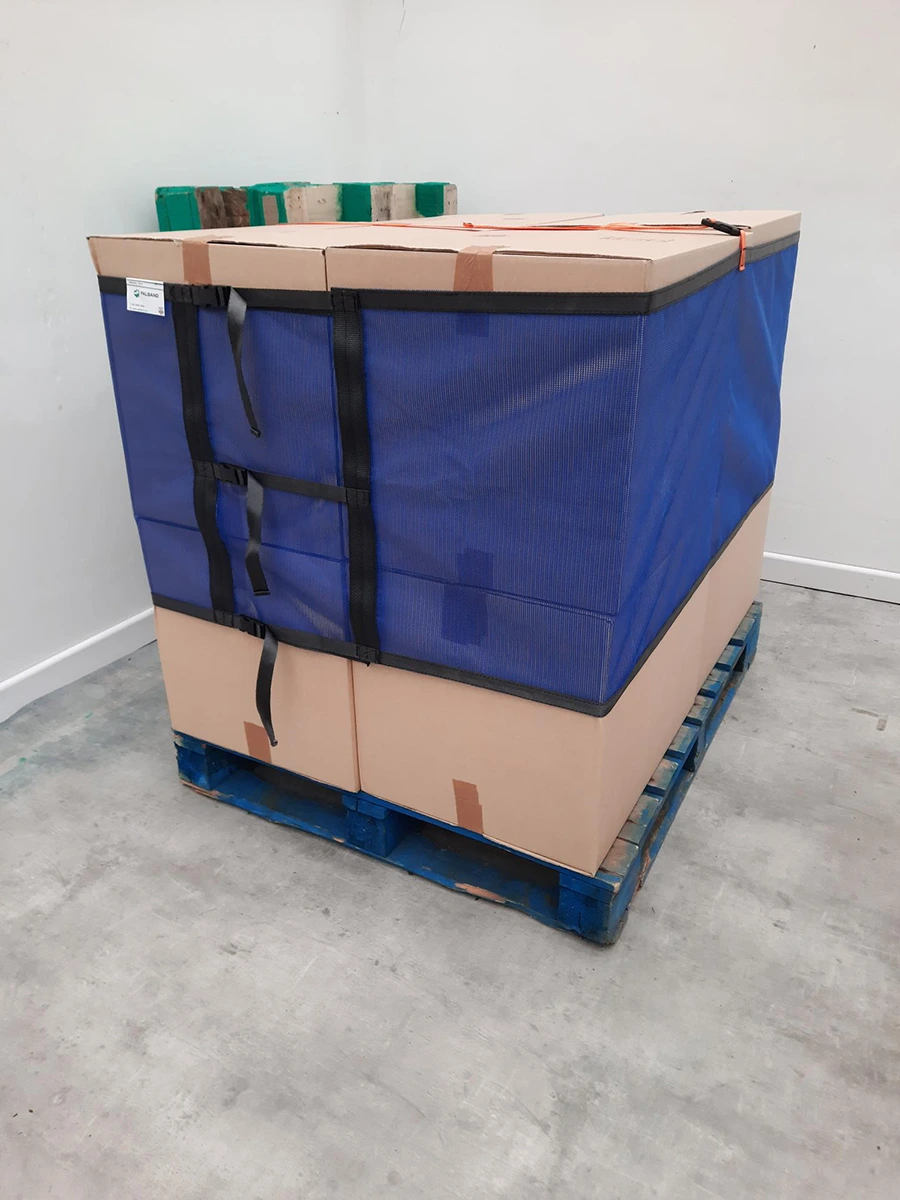
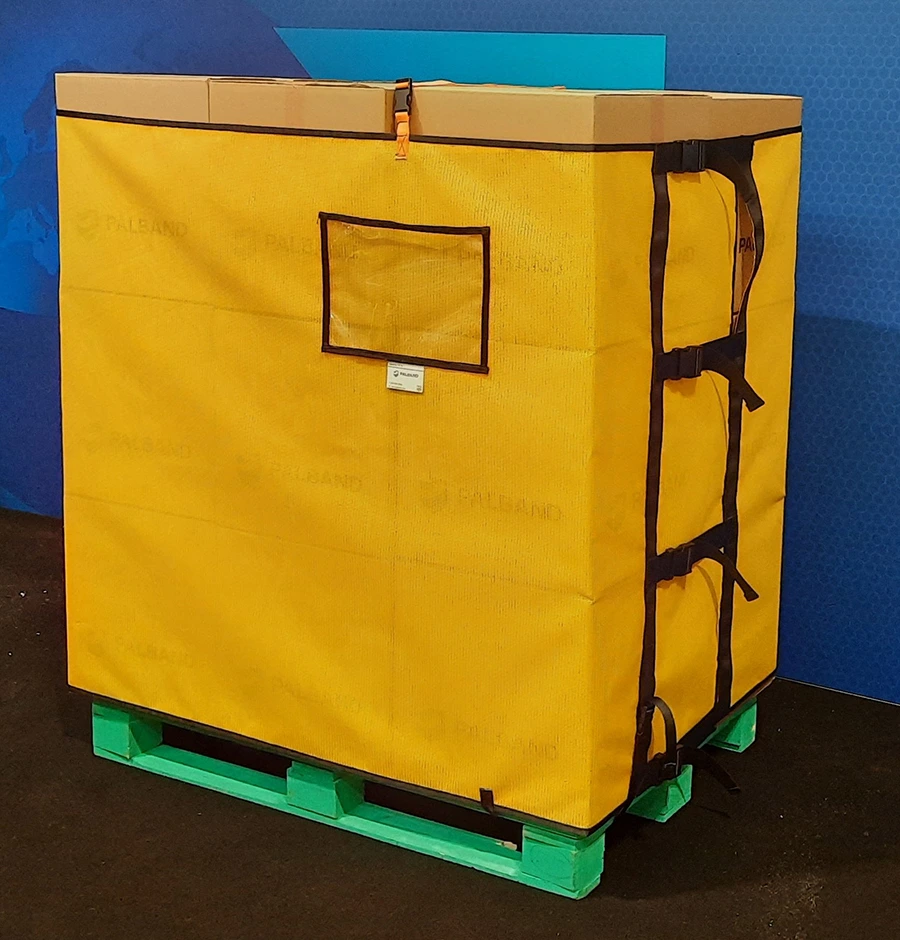
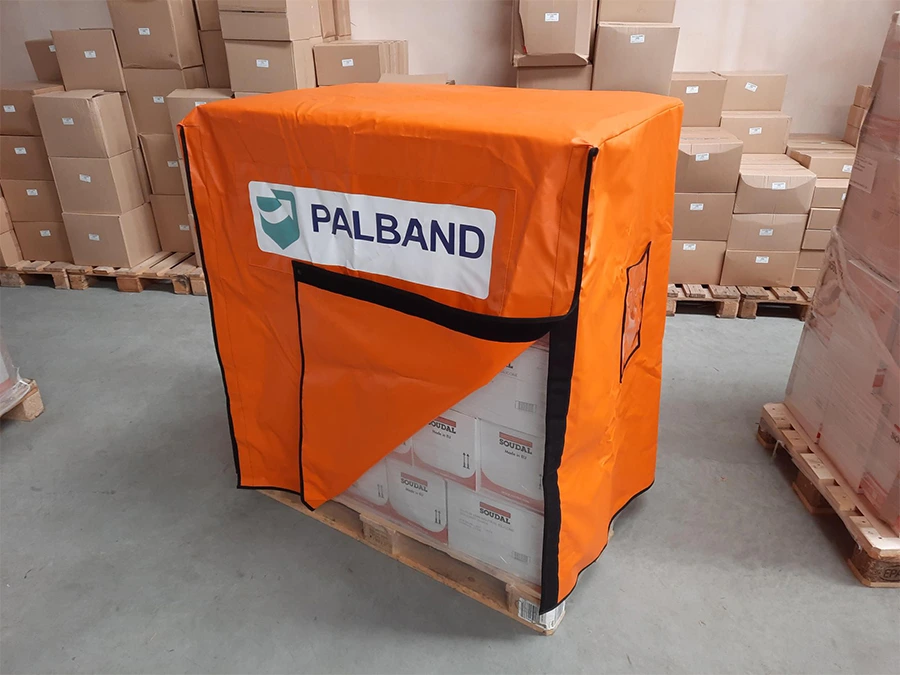
Reusable pallet wraps offer durability, speed and reliability that plastic film cannot match. They provide consistent tension, reduce wrapping time and remove the need for knives or cutters. This contributes to a safer working environment and more efficient pallet handling. As an alternative pallet wrap, reusable systems support long term waste reduction without compromising load security.
In day to day operations, reusable wraps deliver reliable performance across internal transfers, multi drop routes and warehouse storage. They do not tear or loosen in the way film can, even when used on mixed or uneven loads.
High grade materials within Palband’s product range, including PVC mesh, PE200 and PVC580, provide long service life and dependable performance under demanding conditions.
Warehouses are also pairing reusable wraps with complementary load stabilisation equipment, such as reusable pallet wraps for full height containment and reusable load restraint straps for securing specific areas of the load. Together, these solutions reduce the need for single use film and support consistent, repeatable load stability across the entire operation.
The Environmental Case: Cutting Plastic Waste and Supporting Sustainability
Reusable pallet wraps play a significant role in reducing warehouse waste by replacing large volumes of plastic stretch film. Each reuse removes another layer of single use plastic from daily operations, helping teams meet sustainability commitments while controlling disposal costs. Many warehouses now include reusability within their environmental reporting because it delivers measurable reductions in material consumption across the year.
This shift aligns with wider industry efforts to decrease plastic dependency. Packaging and logistics firms across the UK are actively exploring greener operational models, with many highlighting reusable systems as a key contributor to progress.
with many highlighting reusable systems as a key contributor to progress.Evidence of this can be seen in industry articles such as the recent feature in the Grocery Trader, which highlights how eco friendly packaging solutions are becoming an important part of modern supply chains.
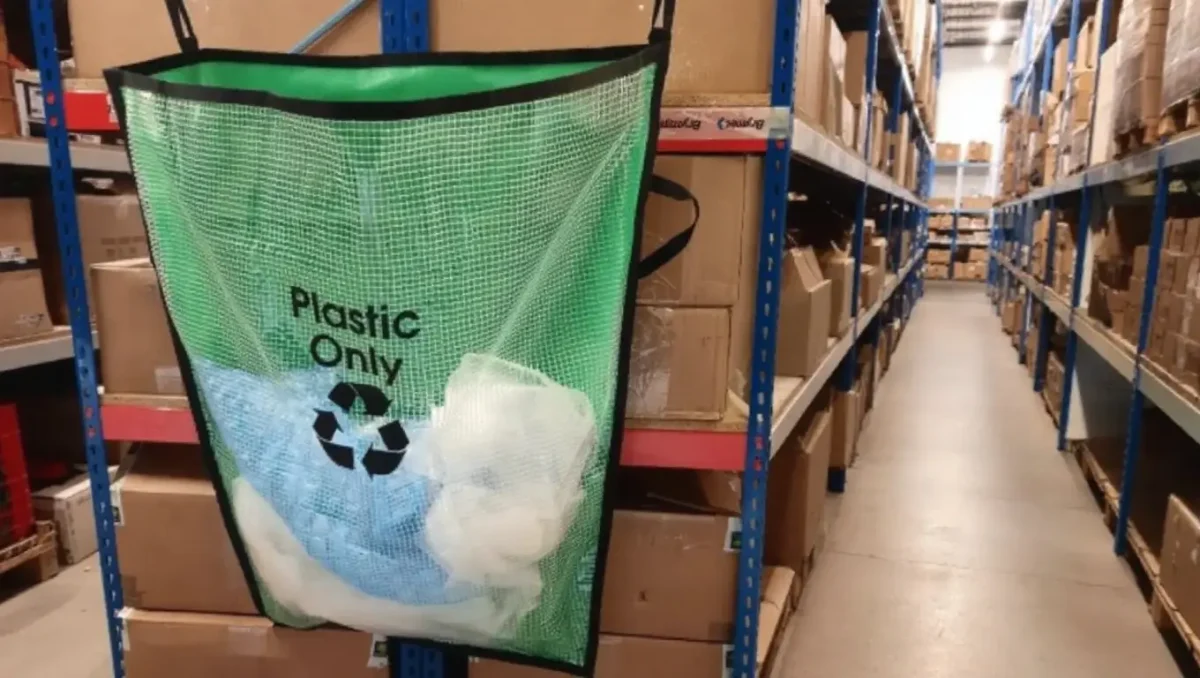
Reducing plastic also improves warehouse safety and housekeeping by lowering the amount of loose film that needs to be collected and baled. Reusable solutions support cleaner work areas and require no segregation for recycling. To support broader waste reduction strategies, Palband provides additional products such as rack end waste sacks, which help facilities manage segregated disposal more efficiently. For teams focusing on regulatory alignment, the guidance within Palband’s technical and compliance information offers further clarity on how reusable systems support long term sustainability targets.
Reusable pallet wraps do more than reduce waste. They also streamline day to day warehouse operations by providing faster, more predictable load handling. Applying a wrap takes significantly less time than hand wrapping with stretch film, particularly when operators need to secure multiple pallets during busy shifts. The wraps maintain consistent tension and avoid the snagging or uneven application that often occurs with film.
Safety is another factor driving adoption. Reusable pallet wraps eliminate the need for knives and cutters, reducing the risk of injury. They also remove trip hazards created by discarded film, improving the overall working environment. For many teams managing heavy throughput, these changes provide measurable safety benefits and more reliable pallet stability in routine transfers.
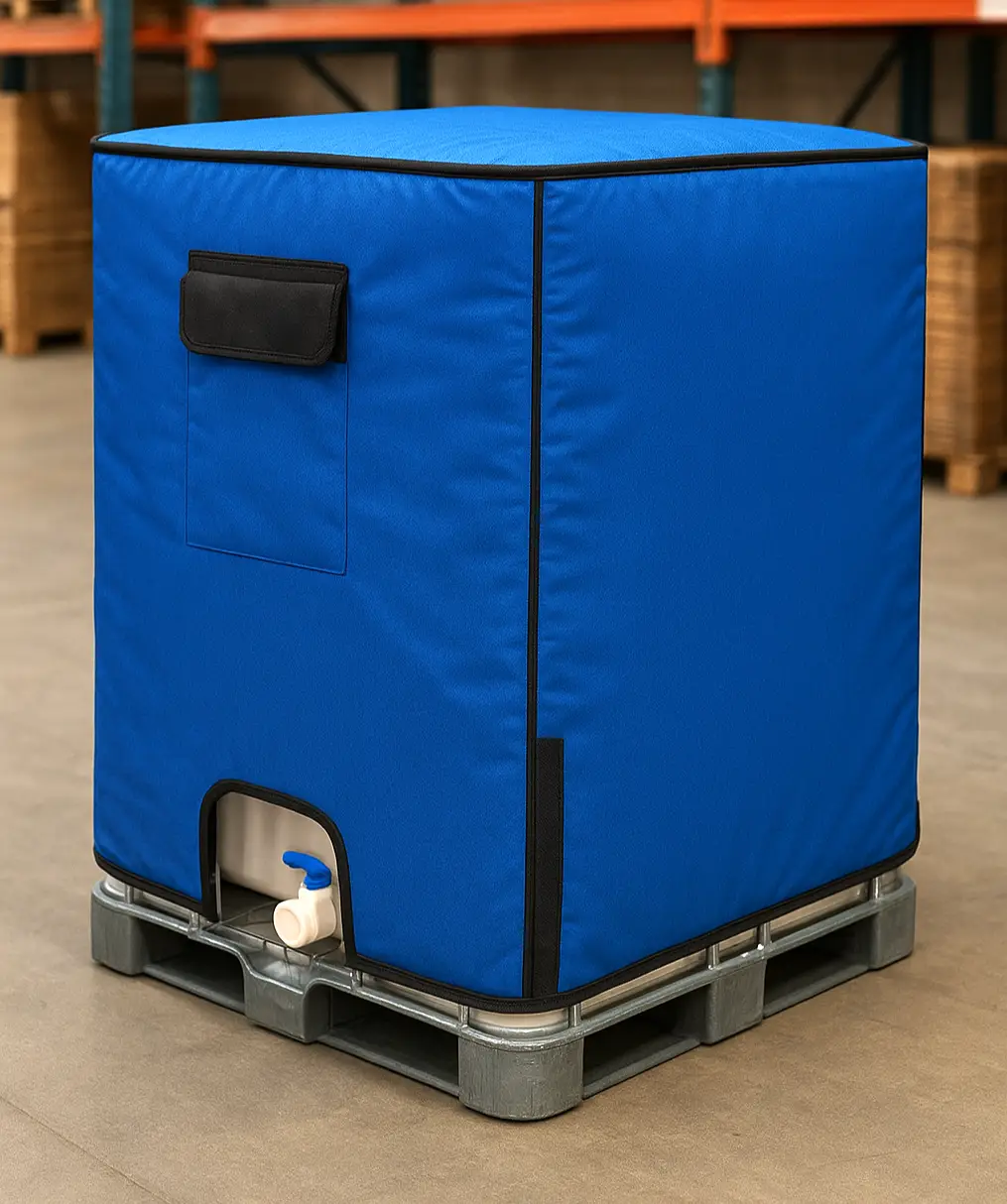
Reusable systems also support better load security. They do not tear or loosen during handling and remain effective even when the pallet height changes as goods are removed. For additional support, warehouse teams often combine wraps with products such as Loadmaster mesh guards or stillage wraps and covers to maintain stability in more demanding applications. These combinations create a controlled environment where load containment is consistent throughout storage, picking and transport, helping operators maintain predictable workflows.
Operational benefits of this kind align well with the safety content outlined in Palband’s technical and compliance information, where efficient working practices and safe manual handling are emphasised as core warehouse considerations.
Cost control is one of the strongest reasons warehouses are exploring an alternative pallet wrap approach. Plastic stretch film appears inexpensive at first, but the costs accumulate through material usage, labour time, waste handling and the ongoing impact of the Plastic Packaging Tax. When assessed over a year, these factors create a significant operating cost for any high volume warehouse.
Reusable pallet wraps offer a different cost profile. Each wrap can be used repeatedly, often for hundreds of cycles, allowing the initial investment to be spread across a long working life. Their durability prevents the frequent replenishment required with single use film, and the reduced handling time saves labour throughout the week. These savings can be substantial when applied across an entire fleet of pallets.
For loads that need extra containment, warehouse teams often pair wraps with reusable pallet straps to secure heavier or more complex configurations. This avoids the need for excessive layers of film and supports consistent load stability without increasing consumable costs. Over time, reusable systems help organisations achieve predictable cost management while reducing their environmental impact.
Compliance requirements around packaging waste, reporting and material use continue to evolve, and many organisations are now expected to demonstrate clear progress in reducing single use plastics. Reusable pallet wraps align naturally with these expectations by reducing the amount of material entering waste streams and providing a more predictable approach to consumption.
For many operations, the switch supports internal Environmental, Social and Governance strategies by lowering overall plastic usage and demonstrating responsible procurement. Reusability also supports the objectives of the Plastic Packaging Tax and upcoming changes relating to Extended Producer Responsibility, where material reduction and accurate reporting carry increasing weight.
Warehouse managers looking for clarity on how reusable systems support compliance can refer to Palband’s technical and compliance guidance, which outlines their suitability within regulated environments. This makes reusable pallet wraps a practical choice for businesses seeking stronger environmental performance without compromising day to day operations.
Reusable pallet wraps offer measurable benefits across a wide range of applications. They are particularly effective in closed loop logistics where wraps can be returned to a central hub, allowing repeated use without loss of control. Many warehouses also rely on them for internal pallet transfers where speed and safety are priorities.
The wraps provide stable containment during multi drop routes, reducing the risk of load movement over repeated stops. They are also suitable for long term storage, where they help maintain consistent tension without degrading. In temperature sensitive environments, they can be paired with complementary protective equipment for greater control.
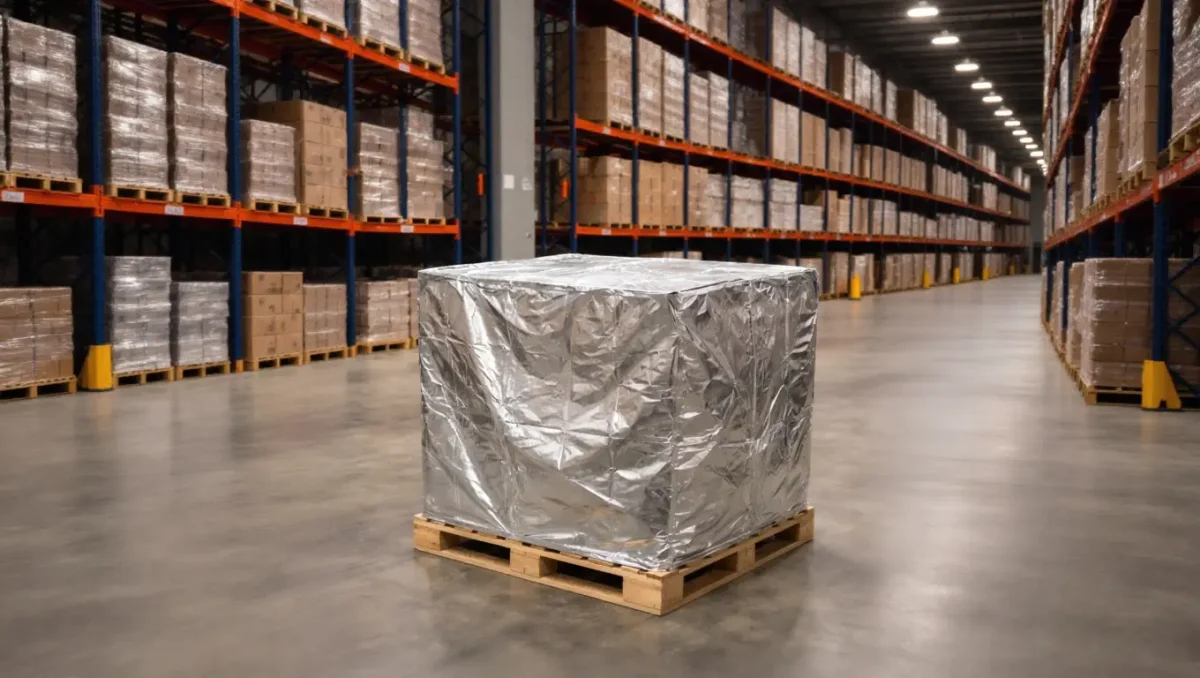
For operations requiring thermal protection, Palband offers products such as insulated pallet covers and liners, which support regulated storage conditions. These combinations allow businesses to tailor their load management approach to suit the needs of different product lines while maintaining a reduced reliance on single use film.
Choosing the Right Reusable Wrap for Your Operation
Selecting the correct reusable pallet wrap depends on load type, frequency of use and handling environment. Light duty applications often benefit from PE130 materials, which offer practical containment for smaller or lighter goods. Medium duty requirements may be better suited to PE200, while heavier warehouse environments typically rely on 600D polyester or PVC580 for maximum durability.
Different heights and configurations can also influence the best choice. Full height wraps provide complete coverage for mixed or tall loads, while half height options offer flexibility when managing part stacked pallets. Consistency of fit and the ability to reuse the same wrap repeatedly make these systems reliable options for busy warehouse operations.
A full overview of available materials and configurations can be found within Palband’s range of reusable pallet covers, helping teams select a wrap that aligns with their specific operational needs.
Conclusion: A Practical Shift That Delivers Results
Reusable pallet wraps offer a clear pathway for warehouses aiming to reduce single use plastic and improve operational efficiency without disrupting existing processes. They provide consistent load security, faster application, safer handling and a strong alignment with long term environmental goals. With growing interest in sustainable packaging solutions across the UK, these wraps represent a practical step that improves day to day performance while helping organisations meet wider strategic commitments.
Businesses exploring a transition away from plastic film can review the full range of options at Palband, including wrap solutions, covers, straps and accessories. For teams wanting to compare reusable wraps with other protective options, the product collection pages provide clear material specifications and compatibility guidance.
Reusable pallet wraps are not only an alternative to plastic wrap. They are becoming a standard part of modern logistics, supporting safer, faster and more sustainable warehouse operations.