The Palband Blog
Reducing Single-Use Plastic Waste in Logistics: Practical Steps for 2026
Logistics teams are under growing pressure to cut costs, meet sustainability expectations and reduce their reliance on single use plastics. The challenge is especially visible in plastic waste logistics, where stretch wrap, pallet covers and disposable films continue to drive significant waste across the supply chain. As environmental targets tighten, more operators are turning to reusable systems that support greener working practices and reduce long term spend. These efforts connect directly with broader green logistics ambitions, where efficiency and sustainability work together rather than compete. For operators looking for practical alternatives to single use materials, exploring reusable systems at Palband offers a clear place to begin.
Summary
This article explains how plastic waste logistics generates unnecessary cost and environmental impact, how green logistics principles help reduce waste, and which reusable products offer practical improvements for pallets, cages and warehouse operations.
Why You Can Trust Us
Palband has years of experience supplying reusable pallet wraps, covers, mesh guards and load protection systems used daily in warehouses, transport fleets and manufacturing sites. These products are proven in real world conditions and are designed to replace single use plastics with reliable, repeatable solutions that fit directly into existing logistics workflows.
The scale of the problem in plastic waste logistics
Many warehouses still depend heavily on single use plastics. Stretch wrap, pallet wrap, disposable pallet covers and shrink bags are used on outbound loads, internal transfers and mixed cage movements. As a result, plastic waste logistics creates large volumes of discarded film that is difficult to segregate and costly to process. In some sites, contamination from labels, tape and mixed materials prevents recycling altogether. Over packaging is also common, where teams add extra plastic layers to prevent product shift or abrasion during handling.
Regulation is increasing too. Cross border rules on waste movements are tightening, with the European Commission applying greater scrutiny to how waste is shipped and treated. This makes uncontrolled plastic waste logistics unsustainable for operators who need predictable, compliant processes. As organisations begin adopting wider green logistics strategies, the priority is shifting from short term convenience to long term reusable systems that reduce waste at its source.
How green logistics principles apply to plastic reduction
For transport and warehouse managers, green logistics is not an abstract concept. It means reducing unnecessary materials, reusing protective assets and improving control of products as they move through the supply chain. Applying these principles to plastic reduction starts with understanding where single use films appear, from pallet wrapping to roll cage security and mixed load stabilisation. The aim is to replace disposable layers with reusable forms of protection that last for hundreds of cycles.
Across the UK, analysis highlights the growing risks associated with plastics and microplastics in the environment. This reinforces why sites need to consider the footprint of routine packaging choices. Green logistics offers a practical framework for doing this, helping teams connect daily operational decisions with longer term sustainability outcomes. By tightening load control and improving process design, operators can reduce waste while maintaining or improving handling performance.
Stretch wrap remains one of the largest contributors to plastic waste logistics because it is used on almost every outbound pallet and many internal movements. Even well trained teams often overapply film to compensate for unstable loads or mixed packaging formats. This drives up plastic use and creates recurring costs in materials, disposal and labour.
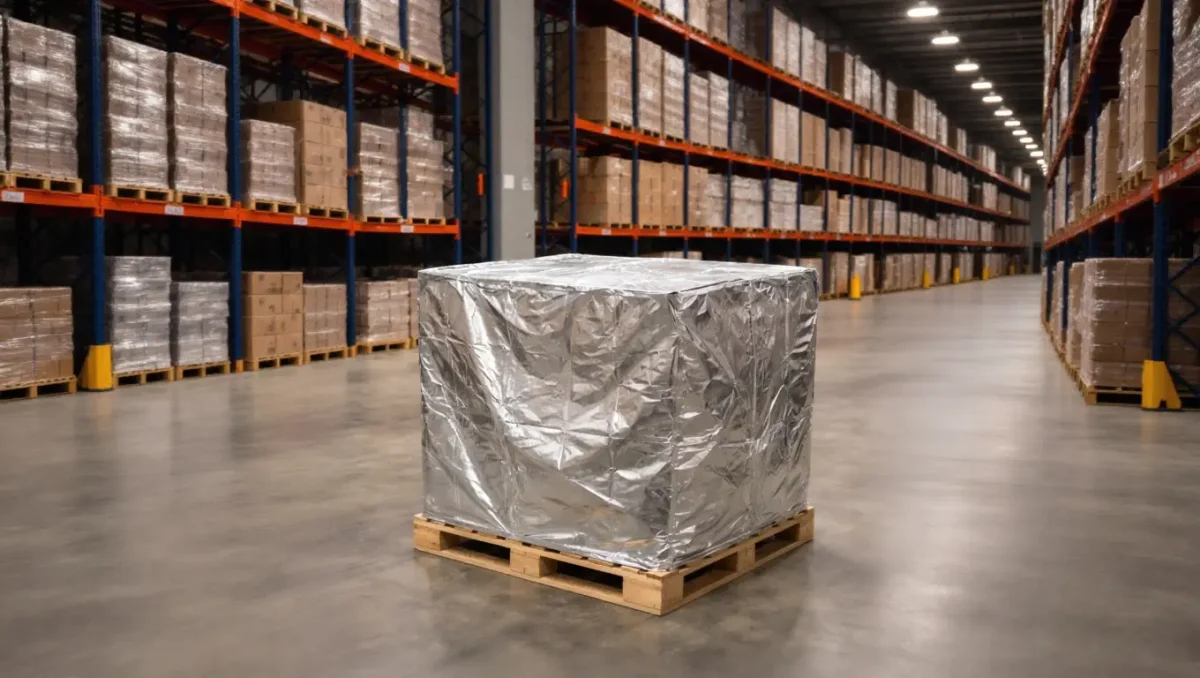
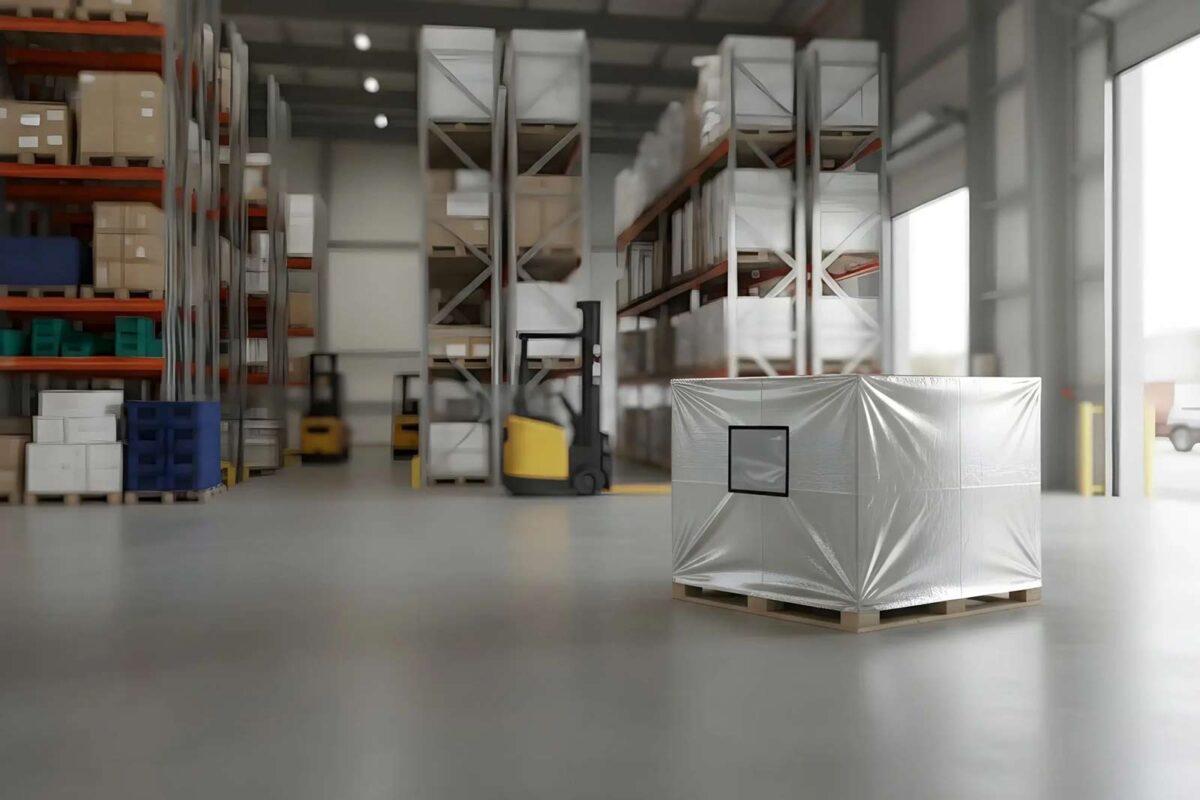
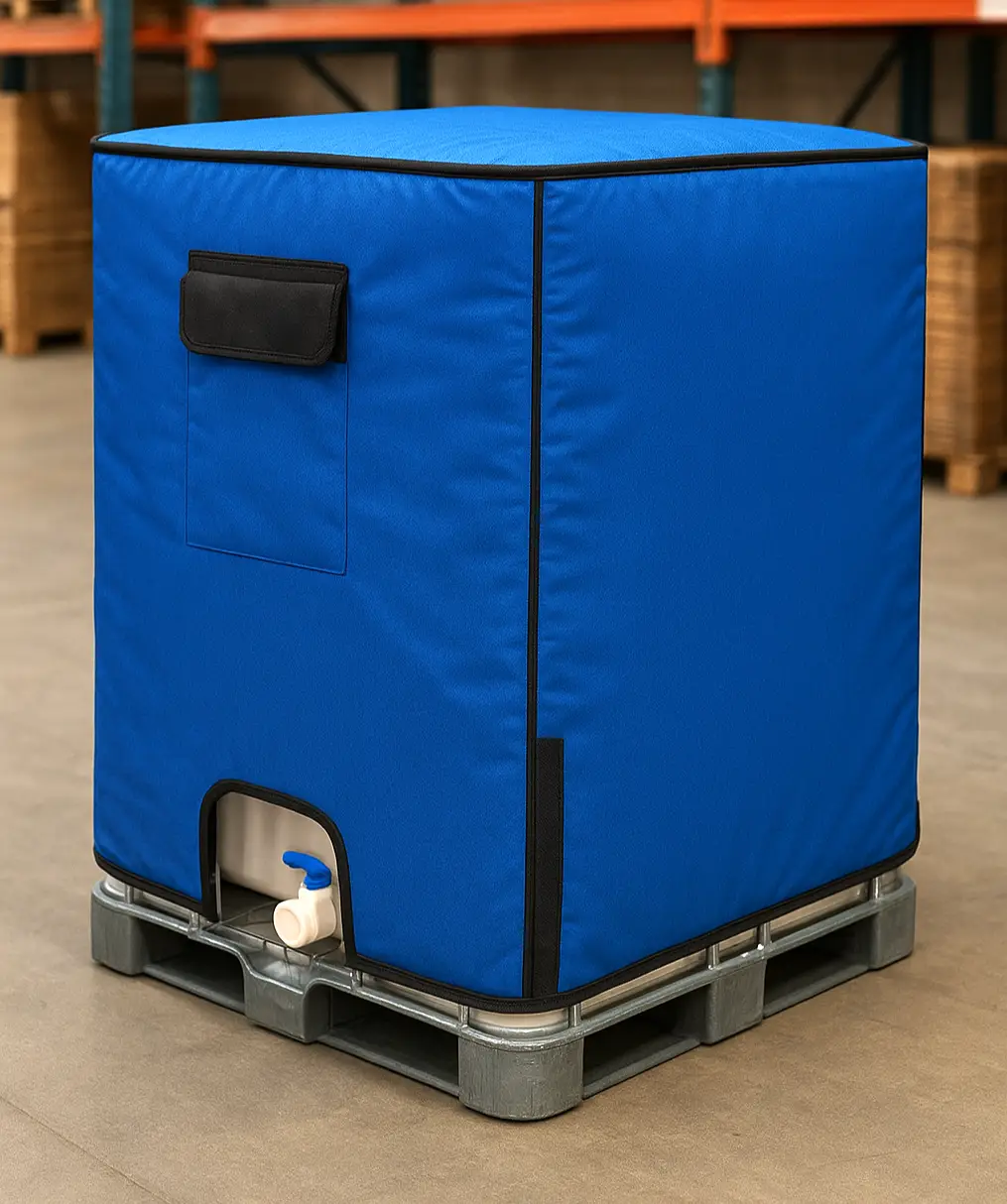
Replacing film with reusable pallet covers offers a direct and measurable reduction in waste. These covers provide consistent tension, impact resistance and surface protection without relying on single use materials. For sites dealing with cages, stillages or variable product sizes, reusable pallet and stillage wraps allow teams to secure loads quickly while maintaining visibility and airflow. Both options reduce consumption, lower long term spend and support broader green logistics objectives by shifting protective packaging from a disposable model to a controlled asset base. They also improve operational efficiency because teams apply them faster and more consistently than stretch wrap.
Internal warehouse movements contribute significantly to plastic waste logistics, largely due to shrink wrap and plastic film applied to rollcages. Teams often add wrap simply to stop loose items falling through cage sides or to prevent surface scuffing during fast pick cycles. While these films offer short term convenience, they generate a constant stream of unnecessary waste and slow down operations because they must be cut and reapplied repeatedly.
A more efficient approach is to equip cages with reusable rollcage trolley covers. These covers protect goods from abrasion, contain small or awkward items and eliminate the routine use of disposable film. They also support better housekeeping because they remain with the equipment rather than being discarded after each pick. For internal logistics teams under pressure to cut waste without compromising productivity, this simple switch delivers immediate operational and environmental benefits.
A large proportion of preventable waste arises not from packaging decisions alone but from poor segregation on the warehouse floor. When cardboard, plastic film and general waste mix together, none of them can be processed efficiently. Better separation supports greener operations and forms a core part of any practical green logistics strategy.
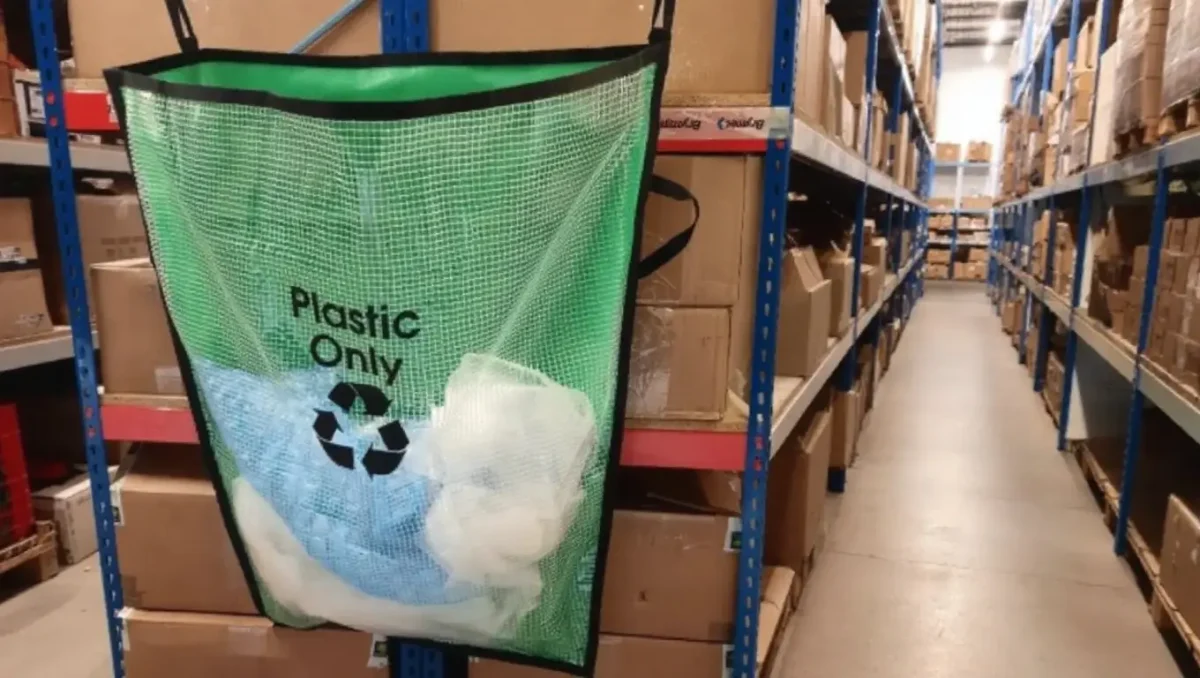
Visible collection points help teams maintain discipline throughout the shift. Reusable rack end waste sacks keep materials organised at the point of disposal and make it easier to monitor the volume and type of waste generated. This encourages more accurate reporting, highlights unnecessary packaging use and supports targeted waste reduction initiatives. When waste flows are controlled rather than reactive, operations become cleaner, more efficient and more aligned with the expectations of modern green logistics.
Many teams use additional layers of plastic wrap because they are concerned about load shift or collapse during handling. This creates a cycle where plastic becomes a default form of reassurance, even when simpler and more durable alternatives exist. Reducing plastic waste logistics requires giving operators tools that stabilise loads effectively without relying on disposable materials.
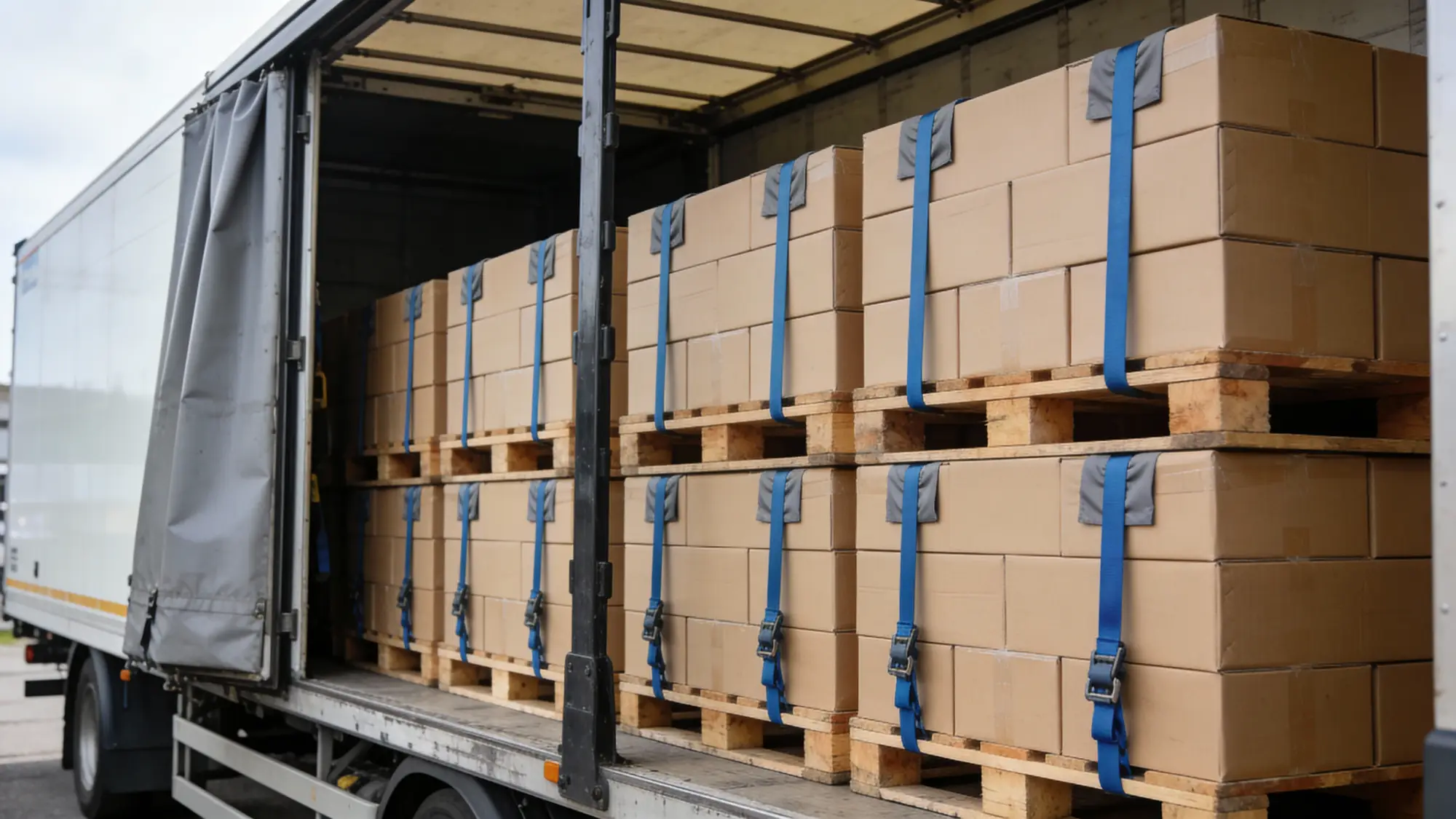
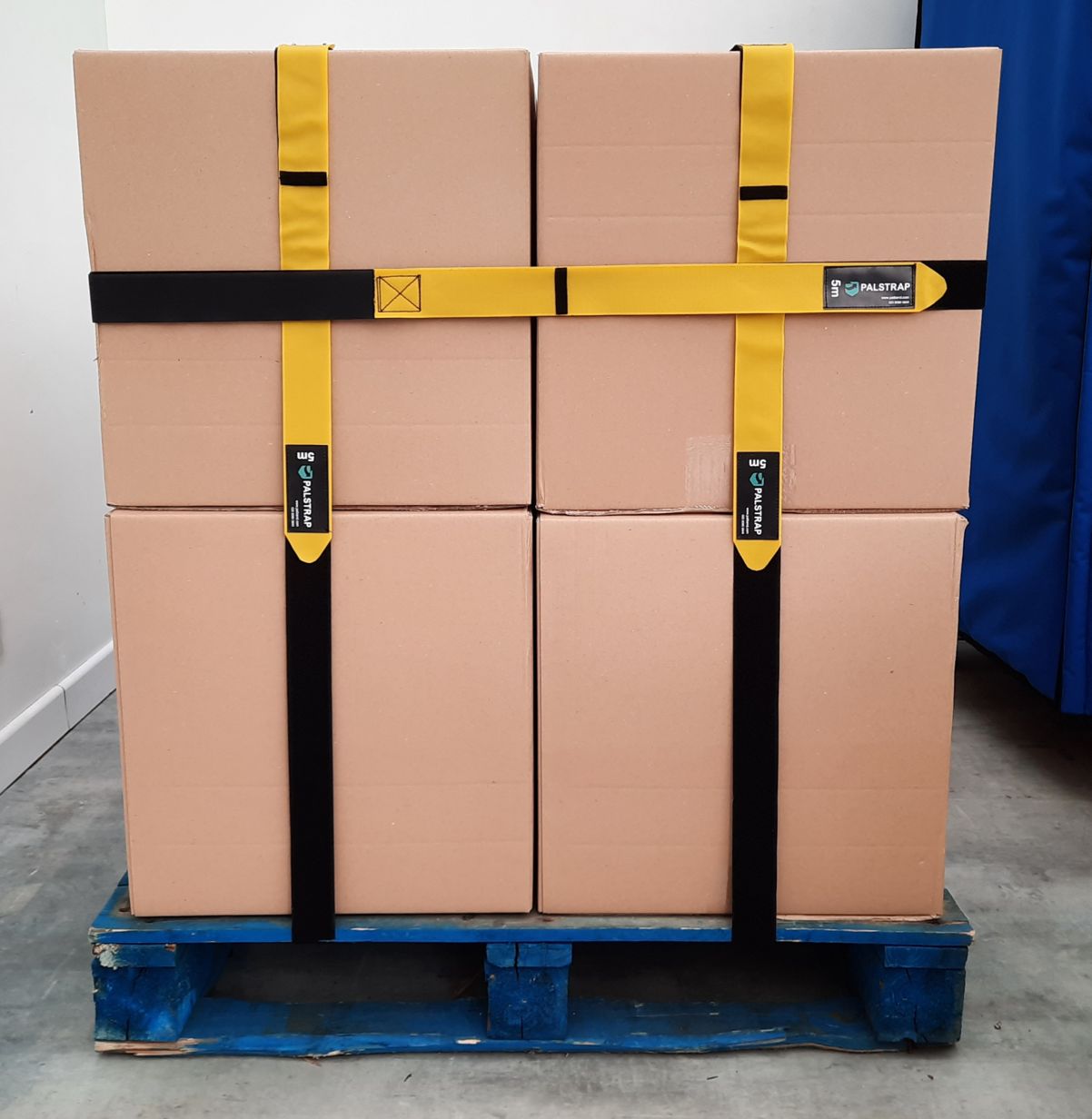
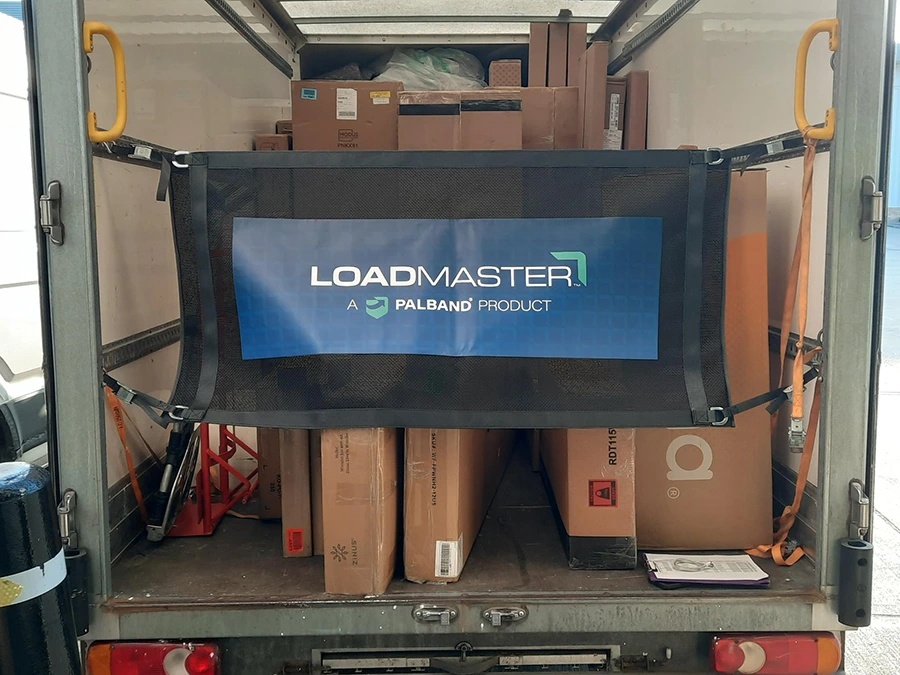
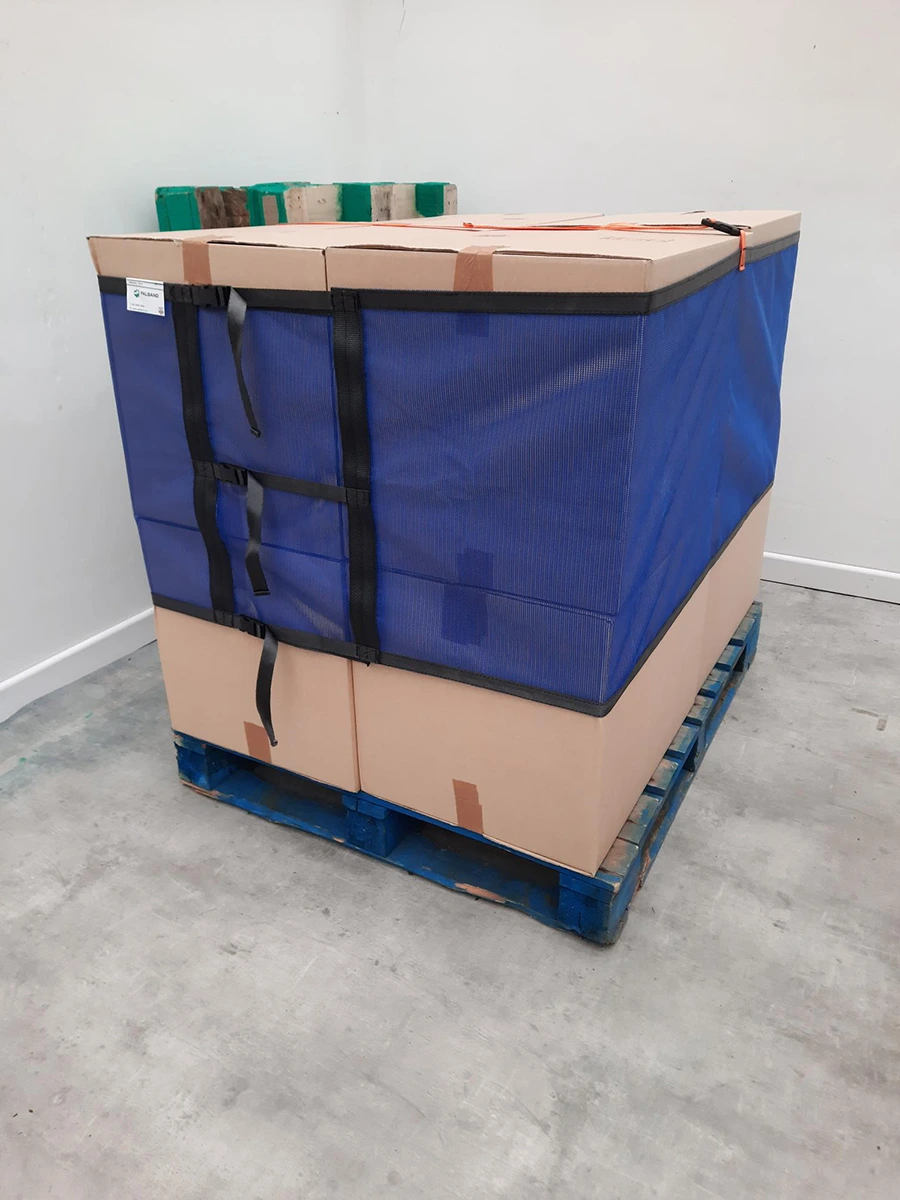
Reusable mesh guards prevent items from protruding or overhanging pallets, removing one of the most common reasons for adding extra wrap. For heavier or irregular goods, reusable straps and accessories provide controlled tension and secure the load without adding waste. Both options maintain stability through lifts, transfers and staging, helping teams eliminate unnecessary plastic layers while improving overall load quality. When operators feel confident in the equipment supporting them, they naturally move away from over wrapping and towards cleaner, more efficient handling processes.
Data, planning and automation that support green logistics
Accurate data is one of the most effective tools for reducing unnecessary plastic use in logistics. When inventory levels are reliable, teams avoid emergency repacking, duplicated orders and last minute rewrapping caused by stock discrepancies. Improved demand planning also means pallets can be built more consistently, reducing the need for protective plastic layers added purely to stabilise unpredictable loads.
Automation further strengthens this approach. Automated guided vehicles, pick routing software and warehouse management systems reduce touch points, which in turn lowers the opportunities for damage that typically prompt over wrapping. When these systems work together, measurable improvements in green logistics performance emerge because processes become more predictable, controlled and less reliant on single use materials.
Reverse logistics and closed loop reuse
A major opportunity to cut waste lies in treating protective materials as reusable assets rather than disposable consumables. Closed loop systems ensure items such as covers, wraps and guards move through the supply chain repeatedly, returning to their point of origin for the next cycle. This dramatically reduces dependence on single use plastics and gives operators far better cost visibility over time.
Pallet recovery schemes and returnable packaging loops also strengthen operational discipline. When teams know that equipment will be reused, it is handled more carefully and tracked more consistently. These reverse flows align naturally with green logistics principles because they keep materials in circulation, support circular economy goals and encourage long term thinking about asset management.
Practical checklist for lowering plastic in logistics operations
To begin reducing plastic waste logistics, teams can adopt a simple, repeatable checklist:
- Audit current plastic use by function
- Replace stretch wrap on stable routes with reusable covers
- Introduce rollcage covers for internal moves
- Improve segregation with visible rack end sacks
- Train teams on when wrap is genuinely needed
This creates immediate clarity and supports consistent behaviour across all shifts.
Building a Greener, Lower Waste Logistics Operation in 2026
Lowering plastic in logistics is not only achievable but commercially sensible. Cleaner processes, fewer consumables and stronger equipment reuse all contribute to a more resilient operation. As businesses prepare for 2026, many are choosing to embed green logistics principles into everyday decision making to reduce waste and improve material control.
Teams ready to reduce single use plastic can explore solutions such as reusable pallet covers and reusable pallet and stillage wraps to build a more efficient, sustainable workflow. These options provide immediate improvements while supporting long term reductions in environmental impact.