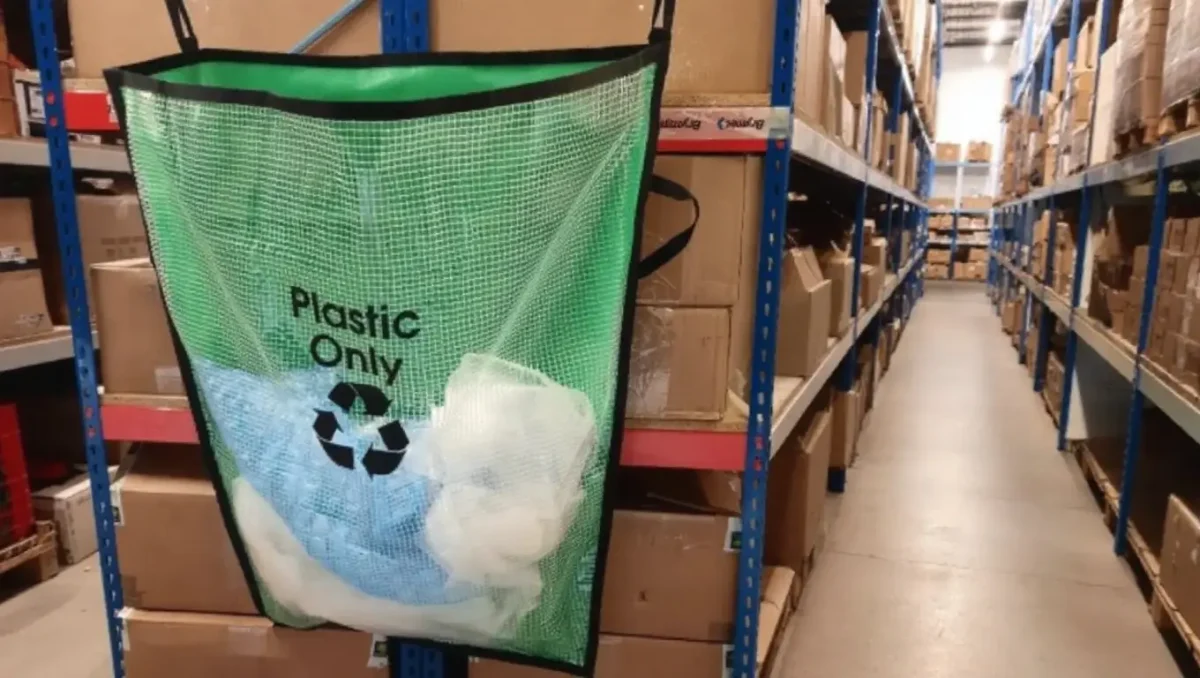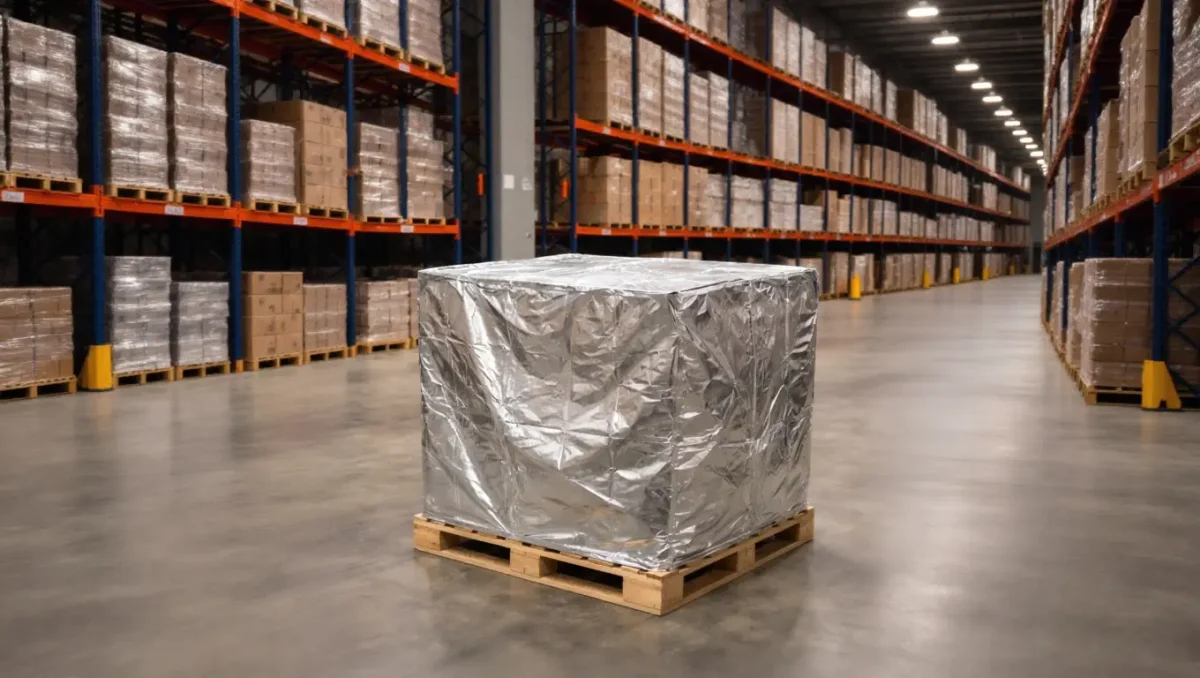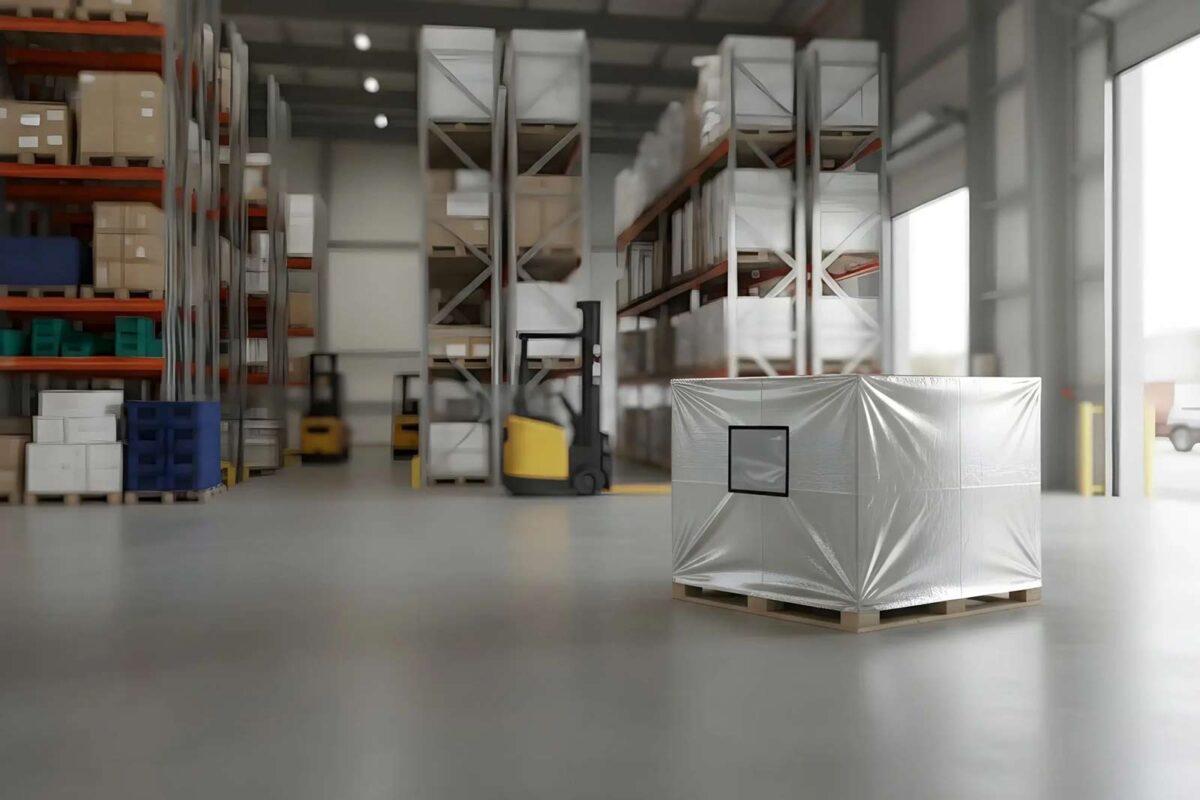
The Palband Blog
How Padded Covers Prevent Damage During Goods Handling and Storage
Introduction
Damage during handling continues to create unnecessary cost in warehouses, especially when goods move through multiple touchpoints before dispatch. Even well-packed items can weaken under vibration, abrasion or sudden impact, making it harder to prevent damage during transport and maintain consistent quality for customers. As supply chains come under increasing strain, recent analysis of worldwide freight systems shows how even small disruptions can escalate into wider operational issues.
To reduce avoidable losses, many operators now rely on padded protective covers to stabilise goods, limit surface damage and maintain load integrity across every stage of handling. These padded covers for transport create a controlled protective layer that supports safer, more predictable warehouse operations.
Short Summary
This guide explains where handling damage originates, how protective padding absorbs impact and vibration, and the practical ways padded solutions help prevent damage during transport across warehouses, staging areas and mixed-load environments.
Why You Can Trust Us
Palband supplies protective systems used daily across UK warehouses, fulfilment centres and transport networks. Our experience comes from working directly with operators who need reliable, reusable solutions to reduce damage rates and improve load handling. The insights in this article reflect proven processes, real-world product performance and long-term operational results.
Where Damage Occurs in Warehouse Handling
Damage often begins long before goods reach a vehicle, and understanding these early failure points is essential when aiming to prevent damage during transport. Abrasion is one of the most common causes, especially inside rollcages where cartons rub against exposed metal during even short internal movements. Vibration from pallet trucks can weaken packaging, loosen fittings and cause products to shift out of alignment.
Forklift operations introduce further risk: small knocks, sudden turns or uneven descents can create impact forces that compromise boxed or delicate items. Compression during pallet stacking can deform outer packaging or transfer pressure to sensitive areas, especially when loads are inconsistently built.
Environmental changes also play a role. Goods held in staging areas may be exposed to fluctuating temperatures or humidity, which softens packaging, making items more vulnerable to abrasion or collapse.
With multiple risks occurring before items even leave the warehouse, padded covers for transport become a logical next step in controlling the environment around the product and minimising preventable damage.
How Padded Covers Reduce Shock, Vibration and Surface Damage
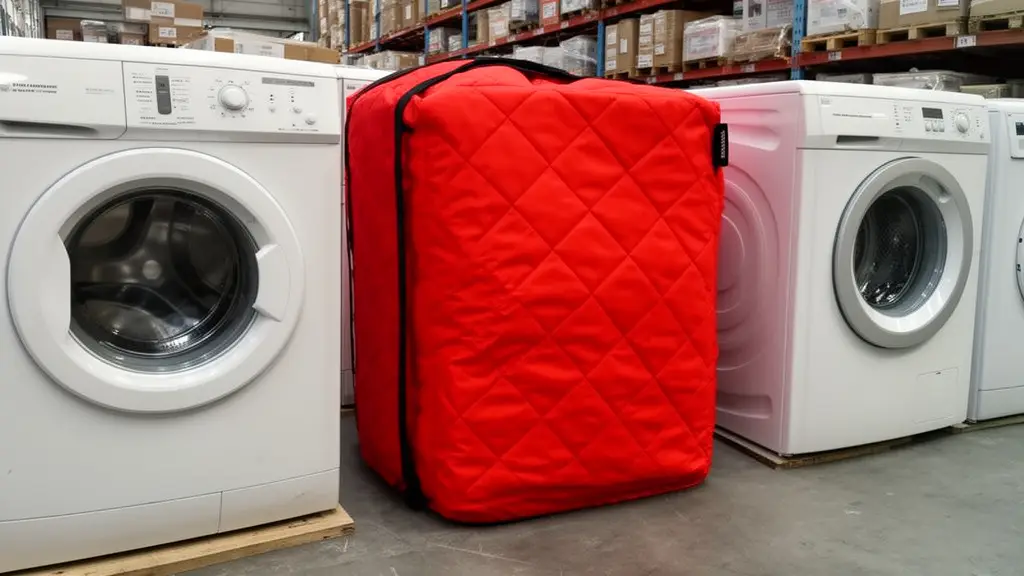
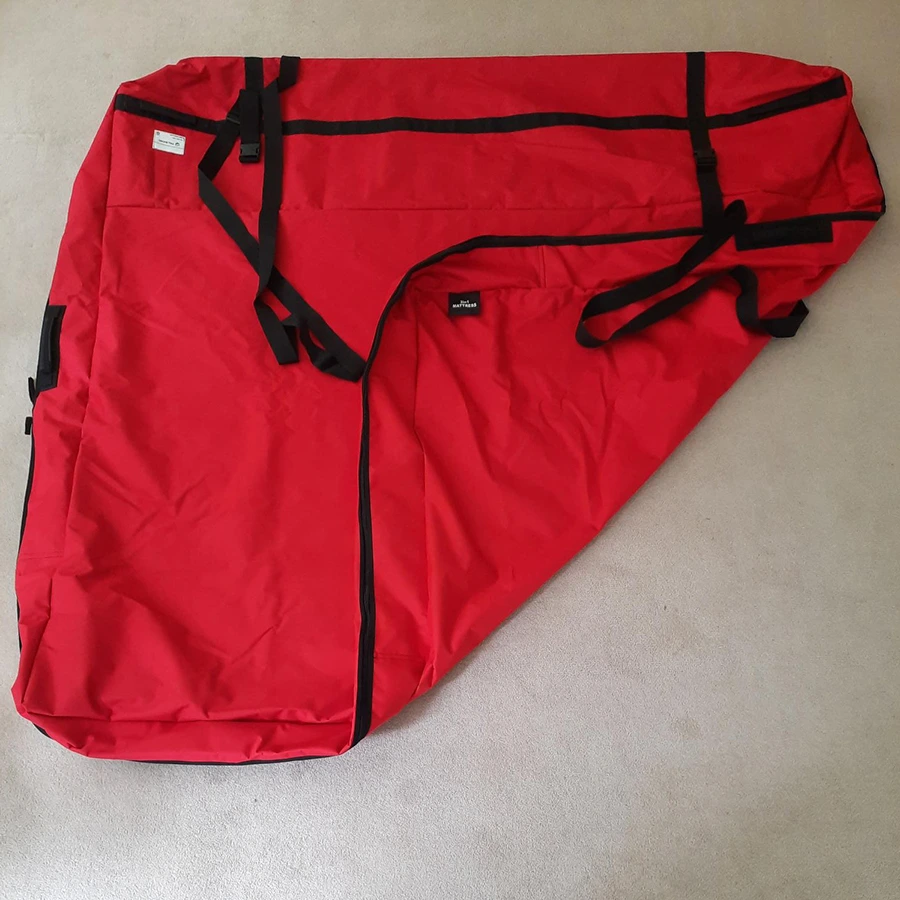
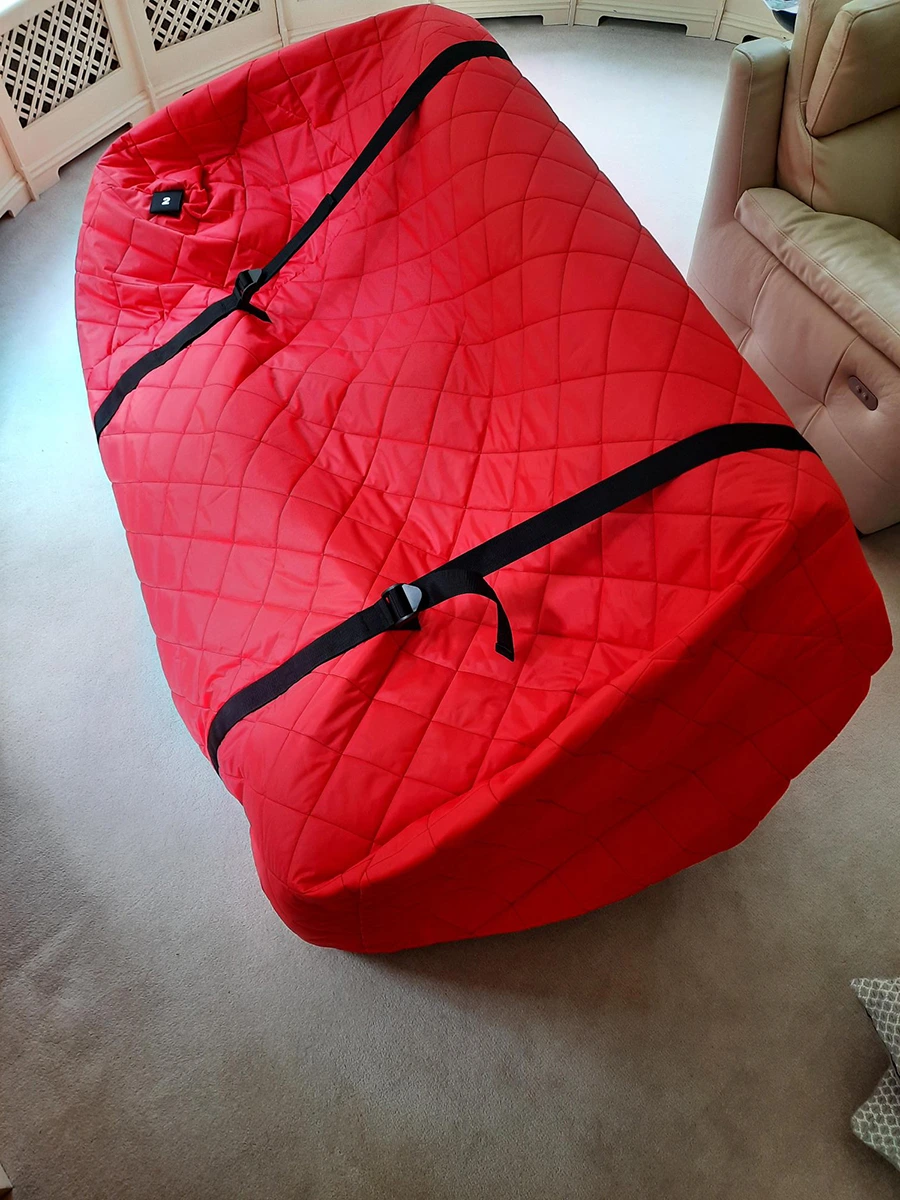
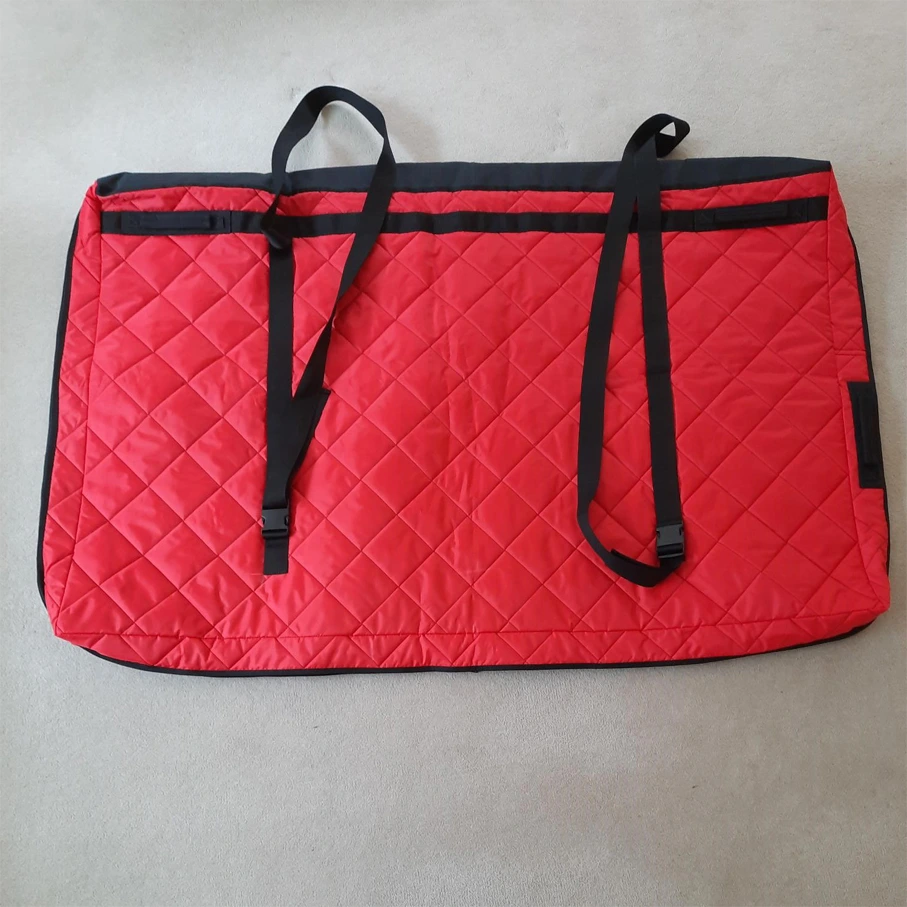
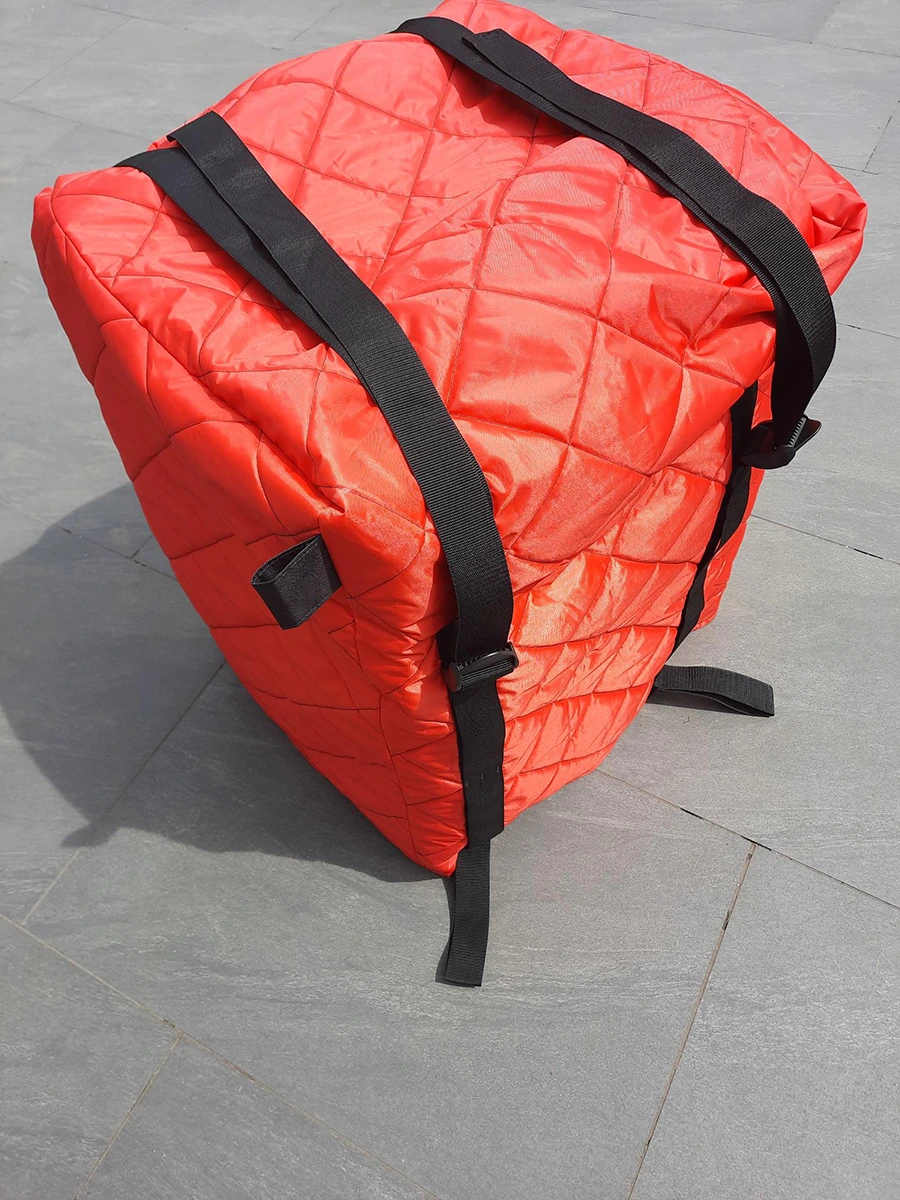
Padded protection works by controlling the physical forces that damage goods during handling. One of the greatest advantages of padded covers for transport is their ability to absorb micro-vibration, preventing the constant background movement of trucks, conveyors and lift equipment from transferring directly into the product. This stabilising layer keeps items secure and reduces fatigue on internal components.
The cushioned interior also prevents friction and scuffing. When cartons or equipment move inside cages or against other goods, surfaces can quickly wear down. Using padded protective covers reduces this contact by creating a smooth, impact-absorbing barrier.
Edge and corner protection is equally important. Many high-value items are damaged not by catastrophic impacts but by repeated small knocks during loading. Padded solutions distribute pressure evenly, lowering the risk of dents or deformation. For irregular shapes or sensitive components, operators often choose padded bags, which wrap closely around the item for even greater stability.
Together, these mechanisms make padded systems one of the most effective ways to prevent damage during transport while maintaining predictable, repeatable protection across shifts.
Reusable systems remain consistent across hundreds of cycles, giving teams repeatable protection that single-use films simply cannot offer. Instead of relying on plastic tensioning or improvised wrapping, reusable solutions create a controlled environment around the load, helping operators prevent damage during transport in everyday handling.
Because the fit is more stable, goods shift less during forklift turns, cage movements or pallet transfers. This stability also reduces cascading damage, where one weakened item compromises the rest of the load.
Durability is central to their performance. Reusable materials resist tearing, deformation and moisture, meaning they continue to protect goods effectively even under heavy use. For palletised items, Reusable Pallet Covers provide a structured top-to-bottom shield, while Reusable Pallet and Stillage Wraps help maintain load integrity during internal transfers and transport preparation.
For operations managing varied product lines, reusable protection offers a simple, reliable way to cut damage rates without introducing complexity, a practical improvement that compounds over time.
Certain products require enhanced protection because even minor scuffs or vibrations can compromise their function or appearance. Electronics, for example, are highly susceptible to micro-movement during handling, which makes padded covers for transport an essential layer of stability. Painted surfaces and high gloss retail packaging are also vulnerable to abrasion inside rollcages or stillages, where repeated contact can leave visible marks.
Fragile assemblies such as lighting components, fixtures or precision parts require controlled cushioning to prevent shock travelling through the item. Using padded protective covers creates a consistent barrier that reduces both impact and friction during multi-step handling.
For items stored in stillages, operators often add stillage liners to prevent surfaces from contacting metal frames or other materials. This approach isolates the product from vibration and reduces local pressure points, supporting higher quality control throughout the warehouse.
By ensuring each vulnerable item is adequately shielded, teams maintain product integrity and reduce rework, returns and time lost to unnecessary investigation.
A significant proportion of damage occurs not in transit but during the short movements that happen constantly across a warehouse. Picking, sortation, cage movement, temporary holding stages and the first steps of vehicle loading all expose goods to friction, vibration and incidental impact. These movements often happen quickly and repetitively, increasing the risk of small but cumulative failures.
To better prevent damage during transport, operators must first protect items before they reach the pallet or vehicle. One of the most effective ways to do this is by shielding goods during internal cage movements using rollcage trolley covers. These covers prevent cartons from rubbing against metal bars, stop items protruding from cages and reduce the chance of surface marking during busy shifts.
With controlled protection applied earlier in the workflow, fewer goods are compromised before dispatch, resulting in more predictable outbound quality and reduced loss rates.
Many damage events originate from unstable pallet loads rather than external force. When cartons shift, lean or collapse inward, pressure points form and even well-packaged items can deform. Operators often respond by adding more plastic wrap, yet this does little to improve structural stability and increases waste without solving the underlying issue.
To genuinely improve stability and prevent damage during transport, alternative reinforcement methods are needed. Using mesh guards helps maintain load shape by controlling lateral movement and preventing cartons from bowing outward. These guards are reusable and provide consistent containment without the environmental burden of single-use film.
Where downward or directional pressure is required, straps and accessories offer firmer control and can be tensioned appropriately for each type of product. Together, these solutions create a more predictable load structure, strengthening pallets and ensuring goods remain stable throughout handling and transit.
Reducing Returns, Rework and Customer Dissatisfaction
Damage has a direct operational and financial cost. When items arrive marked, crushed or weakened, teams lose hours on repacking, investigation and paperwork before replacement goods can even leave the warehouse. Rework disrupts planned workflows, increases labour spend and adds avoidable strain to already busy operations.
Customer penalties for damaged deliveries are becoming more common, especially in retail and manufacturing networks where late or impaired stock affects wider production schedules. Each incident risks future orders, reduces confidence and increases the likelihood of customers sourcing alternative suppliers.
By controlling everyday handling risks, operators reduce the volume of breakages and improve the consistency of outbound quality. This leads to fewer return requests, stronger service performance and more stable commercial relationships. Effective protection throughout the handling chain prevents issues long before they reach the customer.
Checklist: How to Use Padded Covers Effectively
To get the best performance from padded covers for transport, teams should follow a simple repeatable process:
- Select padding thickness appropriate to the fragility of the item
- Apply covers with a smooth, tight fit to prevent internal movement
- Inspect covers between uses to identify wear or compression
- Use padded protection across all high friction routes such as picking, cage movement and palletisation
- Combine padded covers with mesh guards or reusable wraps for improved stability on mixed or high stacked loads
Conclusion: Stronger Protection, Lower Damage Rates
Padded protection offers a practical way to prevent damage during transport, reducing financial losses and improving customer satisfaction. When teams apply consistent shielding throughout picking, movement and loading, fewer items are compromised and outbound quality becomes more reliable.
Operators looking to upgrade their internal handling standards can introduce reusable solutions that strengthen stability and reduce waste. Using reusable pallet covers alongside reusable pallet and stillage wraps creates a controlled environment that keeps goods secure from the first touch to the final delivery.