British Retailer Achieves Reliable Chilled Deliveries with Palband Covers

Case Study: Furniture Manufacturer Reduces Plastic Waste with Reusable Stillage Wraps
Client: Mike Napthine
Region: UK, Europe, USA
Solution by: Palband – Reusable Solutions for Reliable Logistics

Overview
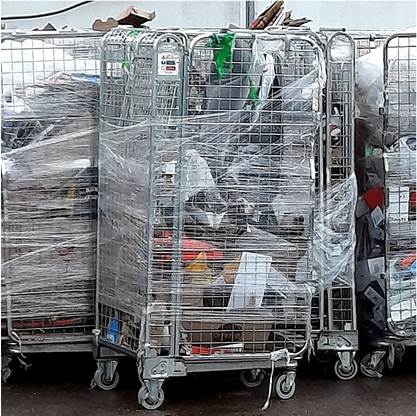
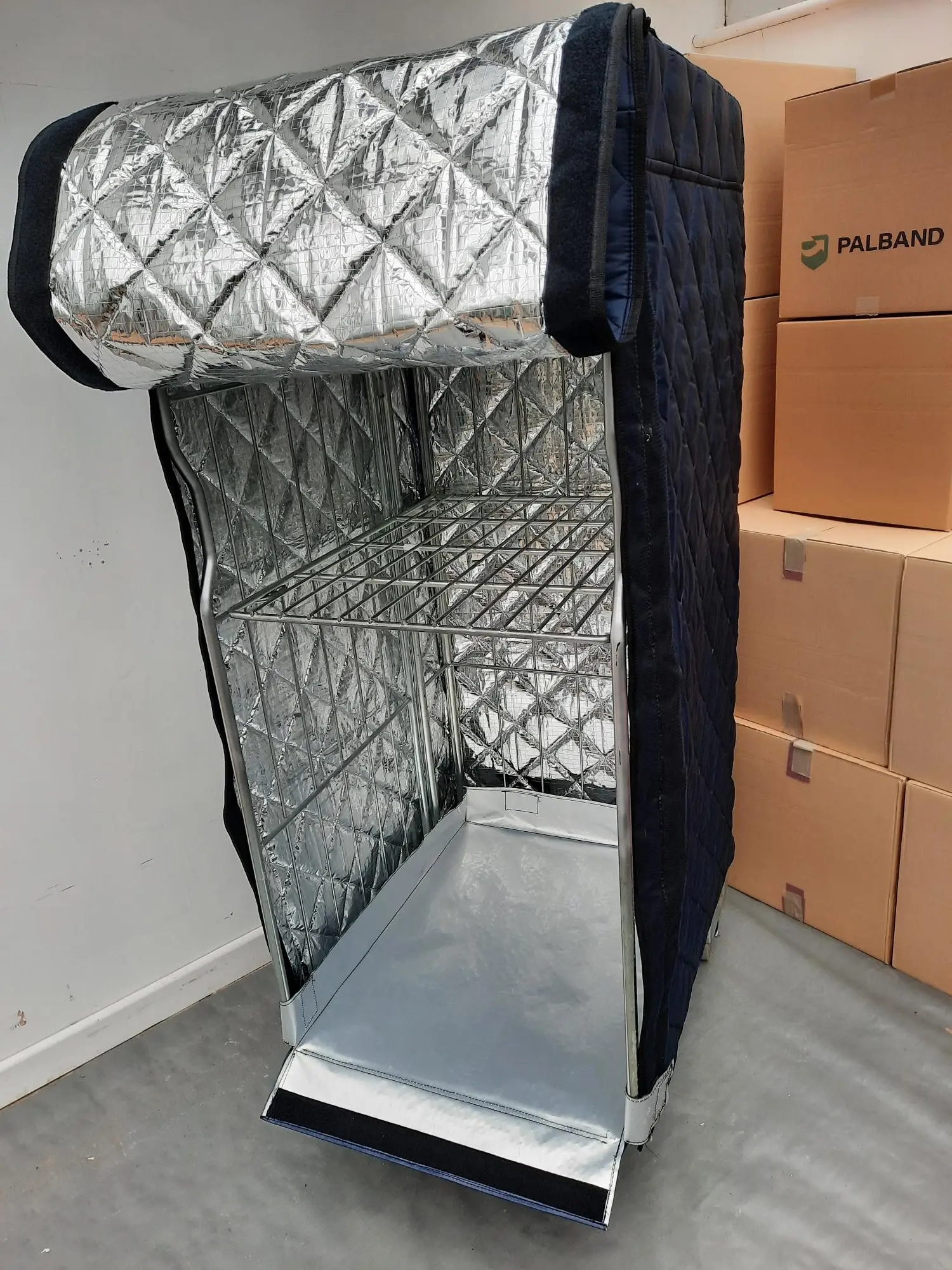
A world-famous British retailer required a reliable insulated roll cage cover to keep chilled foods at the correct temperature during transfer from delivery vehicles to stores. Maintaining food safety and quality was the top priority, particularly where delays might occur between unloading and storage. The retailer also wanted the solution to reflect its strong brand identity while supporting sustainability goals through a long-lasting, reusable design.

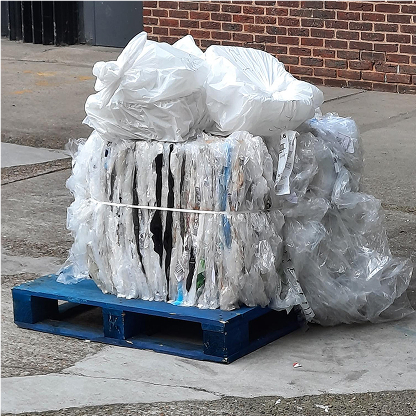
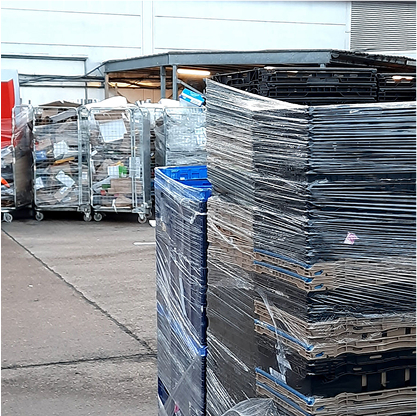
  • Excessive Plastic Waste: The sheer volume of shrink wrap used on every stillage—across thousands of deliveries—generated a significant amount of single-use plastic waste. This clashed with the company’s growing focus on sustainability and their commitment to reducing environmental impact.
  • Inconsistent Application: Shrink wrap was often applied unevenly across sites and by different teams, leading to unpredictable levels of security.
  • Product Damage: Inadequate or loose wrapping occasionally allowed heavy boxes to shift during transport. This led to goods arriving damaged or, in some cases, completely unsellable—impacting both customer satisfaction and financial performance.

Our Solution

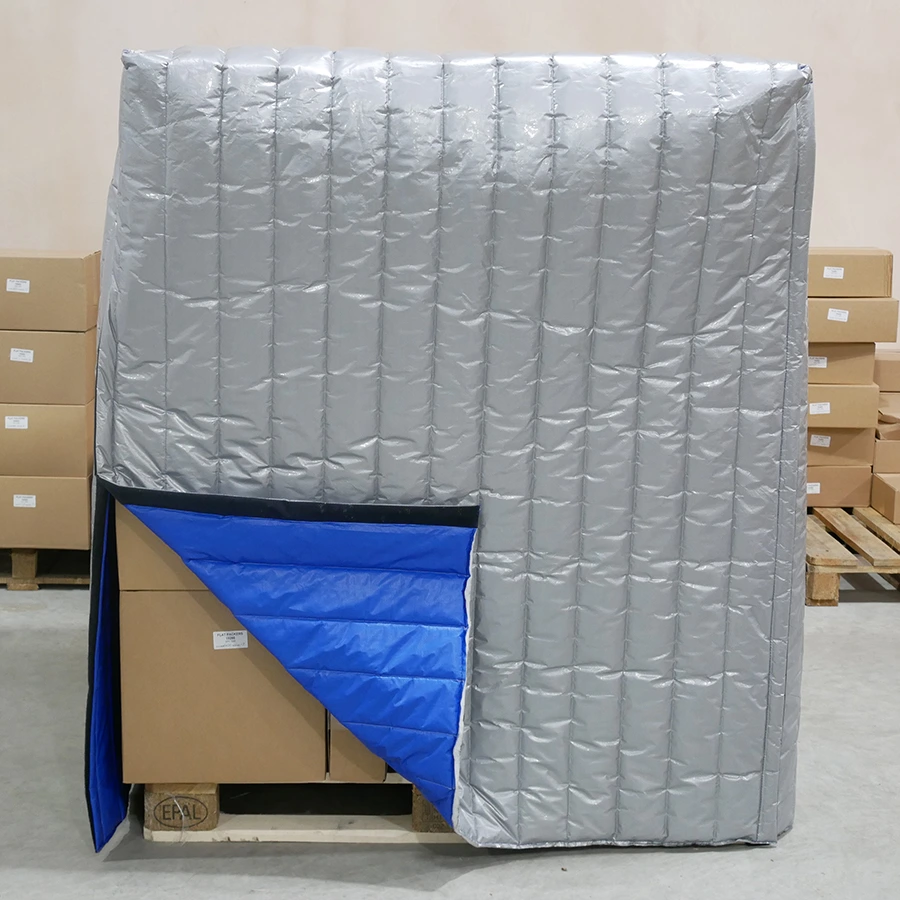
Palband developed a set of fully customised Insulated Roll Cage Covers tailored precisely to the retailer’s cage sizes and operating requirements. Each cover features a multi-layer construction with thermal insulation, a durable waterproof outer surface, and a reflective silver foil inner lining to maintain temperature consistency throughout the cold chain. The thickness of insulation was calculated to extend the safe transit window beyond the required time, providing full assurance that any short delay would not compromise food quality.

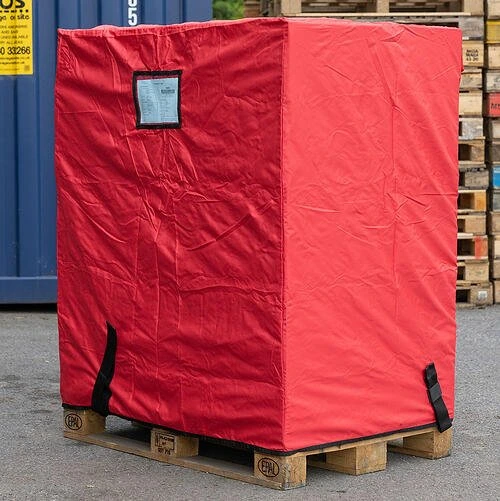
To align with the retailer’s distinctive visual identity, we branded every cover with their logo and colour palette, ensuring a professional, consistent look across all locations. The final product combined function, durability, and presentation, delivering a premium reusable solution that supported both operational and environmental objectives.

The Results

“Palband’s insulated roll cage covers gave this retailer the confidence to maintain perfect chilled conditions while enhancing their brand presentation and eliminating single-use packaging,”

Mike Napthine, Client Solutions Lead, Palband.

This partnership between Palband and the client proves that smart design and sustainable thinking can solve practical logistics challenges without compromising on performance.

If your business relies on reliable transport and wants to reduce waste without increasing risk, get in touch with Palband today.

Related Articles to read...

Fill Out The Form Below And Find Out How Palband Can Help You Dramatically Reduce The Plastic Packaging Tax

Speak to the Team

Let us help you transition to a reusable solution that works harder for your business. Contact Palband today to explore standard sizes or request a bespoke quote. We’ll help you reduce waste, cut costs and protect your loads with confidence.

  • Bakery Doubles Output with Reusable Pallet Wraps That Eliminate Plastic Waste

    Case Study: Furniture Manufacturer Reduces Plastic Waste with Reusable Stillage Wraps
    Client: Mike Napthine
    Region: UK, Europe, USA
    Solution by: Palband – Reusable Solutions for Reliable Logistics

    Overview
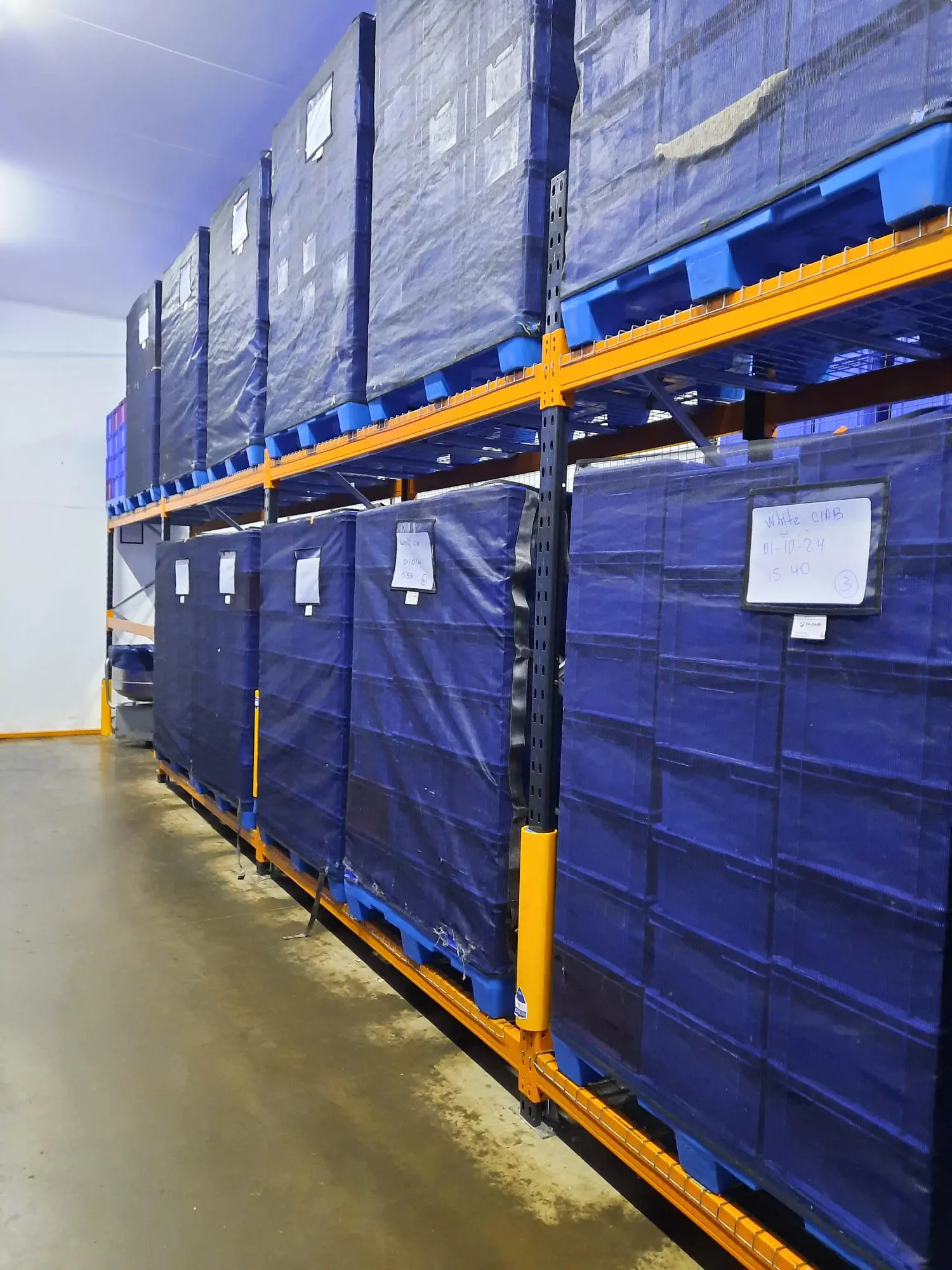
    A busy bakery was relying on single-use plastic shrink wrap to secure pallets of totes filled with dough left to prove for several hours before baking. Every pallet required multiple passes with plastic film, creating large volumes of waste and adding unnecessary time to a process that needed to move quickly between preparation and oven loading. The approach was clearly unsustainable, and the team asked Palband to help find a better way that would eliminate single-use plastic while keeping the proving operation flowing smoothly.

    • Excessive Plastic Waste: The sheer volume of shrink wrap used on every stillage—across thousands of deliveries—generated a significant amount of single-use plastic waste. This clashed with the company’s growing focus on sustainability and their commitment to reducing environmental impact.
    • Inconsistent Application: Shrink wrap was often applied unevenly across sites and by different teams, leading to unpredictable levels of security.
    • Product Damage: Inadequate or loose wrapping occasionally allowed heavy boxes to shift during transport. This led to goods arriving damaged or, in some cases, completely unsellable—impacting both customer satisfaction and financial performance.

    Our Solution

    Palband designed a reusable pallet wrapping system built around our Reusable Pallet Wraps. Each wrap was tailored to the bakery’s pallet dimensions and typical tote heights, with a simple fastening layout so crews could secure a load in a single walk-round rather than the twenty laps required with plastic film. Options for colour coding and clear document wallets supported rapid identification and batch control during busy production windows, while durable materials ensured the wraps stood up to constant daily handling and frequent changeovers between proving and bake-off.

    “We set out to make the right method the easiest method,” said Mike Napthine, Client Solutions Lead at Palband. “If a wrap goes on in seconds, stays secure in motion, and comes off just as quickly at the oven, teams keep using it day after day.”

    The Results

    “Switching to reusable pallet wraps removed 100 percent of the plastic film and made wrapping a one-lap task, helping the team move from proving to bake-off faster and with less waste,”

    Mike Napthine, Client Solutions Lead, Palband.

    This partnership between Palband and the client proves that smart design and sustainable thinking can solve practical logistics challenges without compromising on performance.

    If your business relies on reliable transport and wants to reduce waste without increasing risk, get in touch with Palband today.

    Related Articles to read...

    Fill Out The Form Below And Find Out How Palband Can Help You Dramatically Reduce The Plastic Packaging Tax

    Speak to the Team

    Let us help you transition to a reusable solution that works harder for your business. Contact Palband today to explore standard sizes or request a bespoke quote. We’ll help you reduce waste, cut costs and protect your loads with confidence.

  • Furniture Manufacturer Reduces Plastic Waste with Reusable Stillage Wraps

    Case Study: Furniture Manufacturer Reduces Plastic Waste with Reusable Stillage Wraps
    Client: Mike Napthine
    Region: UK, Europe, USA
    Solution by: Palband – Reusable Solutions for Reliable Logistics

    Overview

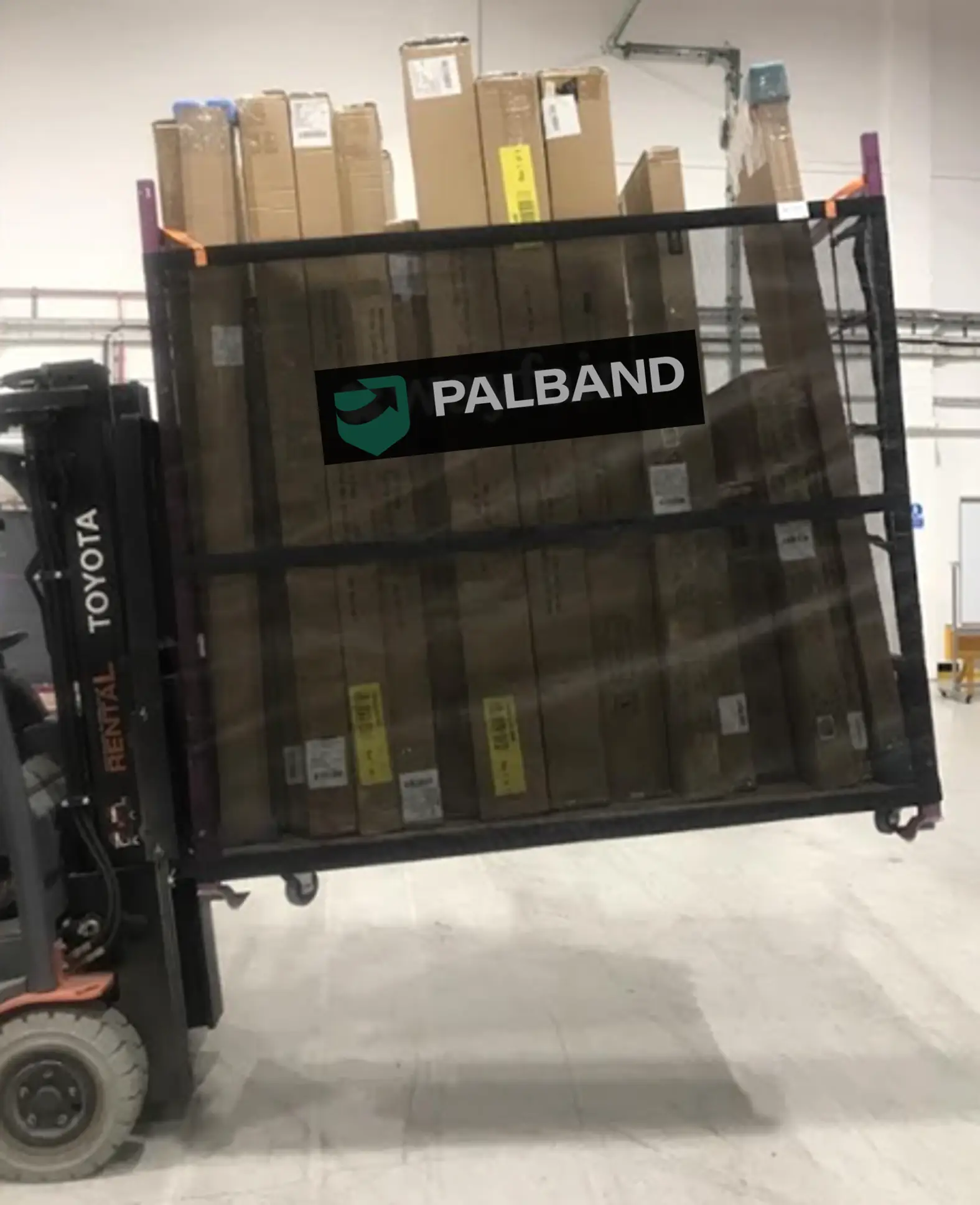
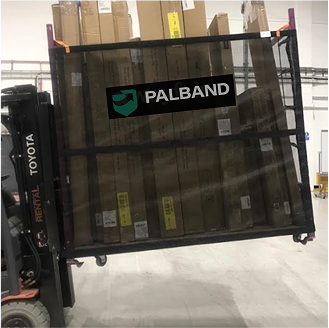
    A global furniture manufacturer, moving thousands of flat-packed items across the UK, Europe and the USA, was struggling with the inefficiencies of using shrink wrap to secure heavy boxes inside metal stillages. Every stillage required multiple layers of plastic, applied by hand, which took time and created unnecessary waste.

    Across thousands of deliveries, this reliance on single-use wrap conflicted with the company’s growing sustainability commitments. Inconsistent application between sites meant loads were not always evenly secured, and movement in transit occasionally led to damaged goods and costly returns. The process was also slow and labour-intensive, with warehouse teams walking around each stillage up to 20 times just to get the wrap tight enough.

    • Excessive Plastic Waste: The sheer volume of shrink wrap used on every stillage—across thousands of deliveries—generated a significant amount of single-use plastic waste. This clashed with the company’s growing focus on sustainability and their commitment to reducing environmental impact.
    • Inconsistent Application: Shrink wrap was often applied unevenly across sites and by different teams, leading to unpredictable levels of security.
    • Product Damage: Inadequate or loose wrapping occasionally allowed heavy boxes to shift during transport. This led to goods arriving damaged or, in some cases, completely unsellable—impacting both customer satisfaction and financial performance.

    Our Solution

    Palband worked closely with the client to replace the outdated system with a durable, reusable stillage side solution, built specifically for their frame designs and logistics routes. Using our Stillage Wraps and Sides, we created a system that prioritised safety, consistency and long-term sustainability.

    Each wrap was engineered from robust materials and reinforced for daily use in a busy warehouse environment. Secure, uniform fastenings ensured every stillage was safely contained with no variation in application, while the design allowed easy access for loading, unloading and inspection. The result was a neater, faster process that eliminated the frustration of uneven shrink wrapping and the waste it produced.

    “Our goal was to design something that solved several problems at once – improving safety, reducing waste, and speeding up the process,” said Mike Napthine, Client Solutions Lead at Palband. “By looking closely at how the stillages were used day to day, we could create a system that genuinely made a difference.”

    By removing shrink wrap from their operation entirely, the manufacturer not only improved handling efficiency but also cut down on hundreds of tonnes of plastic waste each year. The change supported their wider ESG goals and demonstrated a practical, scalable step toward a more sustainable logistics model.

    The Results

    “Palband’s reusable stillage sides helped us cut single-use plastic and reduce damage during transport. The system is faster for the team, tidier in transit, and robust enough for daily operations,”

    Mike Napthine, Client Solutions Lead, Palband

    This partnership between Palband and the client proves that smart design and sustainable thinking can solve practical logistics challenges without compromising on performance.

    If your business relies on reliable transport and wants to reduce waste without increasing risk, get in touch with Palband today.

    Related Articles to read...

    Fill Out The Form Below And Find Out How Palband Can Help You Dramatically Reduce The Plastic Packaging Tax

    Speak to the Team

    Let us help you transition to a reusable solution that works harder for your business. Contact Palband today to explore standard sizes or request a bespoke quote. We’ll help you reduce waste, cut costs and protect your loads with confidence.

  • The Palband Blog

    HOW much do reusable pallet wraps cost?

    When making the change from using single use plastic shrink wrap to a reusable product, it’s vitally important to understand what the return on investment will be, and how long it will take for you to start saving money year on year. 

    On average, reusable alternatives to single use plastic shrink wrap will cost anywhere between £50 and £150 depending on a variety of options.

    Bespoke products manufactured in the UK will always appear initially to be more expensive than an imported product from India or China, but in reality, due to recent changes in the markets, that is no longer the case. Besides the actual price tag, there’s major advantages in buying from the UK because every application is different so to get the perfect product to fit your exact shape and size imported is nigh on impossible. 

    Considerations to take into account when looking to reduce your carbon footprint and your plastic waste by using a reusable pallet wrap or cover instead of single use plastic pallet wrap include the size, shape and weight of the pallet or roll cage trolley, the frequency of its use, how far they will need to travel and your return-on-investment requirements. Also, will you be needing any branding on the reusable pallet covers and any colour preferences?.

    Added extras for bespoke reusable pallet covers

    When it comes to pricing your bespoke reusable pallet covers or wraps, we start with a base product which will cost anywhere between £50 and £80 depending on the size and quantity required, we’ll then ascertain whether this will be used internally or externally and decide how many straps will be needed to attach the wrap to the pallet, and to close the wrap around the load. This will depend on the weight, height and shape of the load and increasing the number of straps can add anything from £10 and upwards to the base price.

    There’s other considerations to take into account including extra webbing along the base of the wrap to decrease wear and tear if it’s going to be used on long journeys which could add around £5-10, document windows to hold paperwork and to keep it dry, heavier duty buckles if the load is particularly heavy and even a lid which can be used to cover over the top of the pallet and attach to the pallet cover. All these extra items will add further cost but can still be well within the return on investment figure in comparison to the issues with single use plastic.  

    Higher quantity = less cost

    Quantity also makes a significant difference in the cost per item, once the initial design specification is finalised, this will be set up on a computerised cutting table and each PalBand will be cut exactly the same, and this is where savings can be made as the material can be nested so there is minimal waste, and the more that can be produced in a production run the better cost wise. The straps and buckles and any other parts will then be assembled as per your specific design, then branded if required. The difference in piece cost can vary considerably from a one-off sample at approx. £120 to the same item being produced in bulk at around £85. These prices will obviously vary when your specific design is considered.

    What is the ROI for reusable pallet wraps?

    The return on investment is an important part of the change from using single use plastic to using a reusable pallet or trolley cover, and this depends largely on the frequency of use and the amount of time it will take to return the PalBands back to your despatch area. It also depends very much on how well the pallet wraps are looked after, as any damage done during transit or when packing or unpacking the pallets will result in a reduction of the usage of the product. Also, storage of the product correctly is important, and we would suggest using a pallet box or similar to make sure they are all kept in one place and free from damage by machinery or other means.

    “Is a product that is designed to be suitable for use, whether alone or in combination with other products, in the containment, protection, handling, delivery or presentation of goods at any stage in the supply chain of the goods, from the producer of the goods to the consumer or user.”

    Example Cost of PalBand – £100

    Cost to wrap an equivalent sized pallet with pallet wrap – £0.70

    If the PalBand is used every day, then this will pay for itself compared to pallet wrap within 142 days, or just over 28 working weeks. Considering the PalBands are designed to last for up to 3 years under normal conditions, this means you will save £425 of pallet wrap for one pallet over that time. If you had 200 pallets using PalBands over 3 years, this would save £85,000 of pallet wrap costs. But just as importantly, the cost to the environment is also particularly notable, as this would save an incredible 12 tons of waste plastic over 3 years.


    Of course, the above calculation can be adjusted to suit your specific application, as there will be situations where the PalBands could be used several times per day in an internal situation where you may have product being moved between buildings or in the other extreme you may have product being shipped to other locations in the UK or abroad, and the return loop may take several days. In every instance, there’s always savings to be made in actual costs and to the environment. Repairs to PalBands are also possible, so if there is damage over time, there’s no reason to throw them away, but small repairs can be made where the fabric may have become snagged or torn. This further enhances the longevity of the reusable pallet wrap.

    The responsibility for paying the Plastic Packaging Tax falls predominantly with importers of filled or unfilled plastic packaging and UK manufacturers of plastic packaging.


    The tax only applies if the business places more than 10 tonnes of plastic packaging onto the UK market.


    The business that completes the ‘last substantial modification’ to the plastic packaging or component is liable for the tax. If the last substantial modification is made at the point where empty packaging is filled with goods/products, then it is the substantial modification point prior to this. Care and due diligence is applied to the tax point. If you believe the Plastic Packaging Tax should have been paid before the packaging reaches your business, and it is not clearly stated on invoices, you may face secondary liability. 

    HMRC defines the plastic components as liable for the tax when ‘finished’. This is when the last substantial modification is made.


    For plastic packaging that is imported into the UK and already contains goods or products, the tax applies to the packaging when they are imported, with no additional substantial modifications made.


    The last substantial modification is the last manufacturing process that makes a significant change to the nature of the packaging component, as it alters one of the following characteristics of the packaging component:
    Shape, Structure, Thickness, Weight.


    For other packaging it is the last substantial modification before the packaging is filled with products. This includes extrusion, moulding, layering, and laminating, forming, and printing. Not all manufacturing processes that change the shape or structure are considered as substantial modification. For example: blowing or otherwise forming a packaging component from a preform, cutting film to size or cutting formed trays out of a sheet, gluing labels to a tub or heating a shrink film label onto a bottle, sealing such as attaching a film lid onto a tub.

    If your business has placed more than 10 tonnes of plastic packaging onto the UK market in the past 12 months, you will need to register with HMRC.
    If you have placed under 10 tonnes of plastic packaging onto the UK market in the past 12 months, then you will not need to register.
    HMRC advises that even if you do not meet the liability to register and report your plastic packaging for the tax, you should keep records to demonstrate this.

    • Total amount in weight and a breakdown by weight of the materials used to manufacture plastic packaging, excluding packaging which is used to transport imported goods.
    • Data and calculations used to determine if a packaging component is, for the most part plastic, and how much recycled plastic it contains.
    • Weight of exempted plastic packaging and the reason for the exemption.
    • Amount in weight of plastic packaging exported, and therefore the allowed relief from the tax.

    Items that may be used for the evidence of recycled content in plastic packaging could be product specifications, contracts, audits, production certificates, accreditations, and international standards.
    Reporting requirements and supply chain governance will become more important for those businesses affected by the Plastic Packaging Tax and Extended Producer Responsibility, and will require additional time for data gathering.

    Related Articles to read...

    Fill Out The Form Below And Find Out How Palband Can Help You Dramatically Reduce The Plastic Packaging Tax

    Speak to the Team

    Let us help you transition to a reusable solution that works harder for your business. Contact Palband today to explore standard sizes or request a bespoke quote. We’ll help you reduce waste, cut costs and protect your loads with confidence.

  • The Palband Blog

    the plastic packaging tax

    The Plastic Packaging Tax is a new tax that was introduced on 1st April 2022. The tax is designed to encourage the use of more recycled plastic and will apply to plastic packaging produced in, or imported into, the UK and that does not contain at least 30% recycled plastic.

    The rate of the Plastic Packaging Tax is currently set at £217.85 per tonne of plastic packaging placed onto the UK market. The Plastic Packaging Tax applies to businesses that manufacture or import plastic packaging components or import packaged goods into the UK. The UK government has estimated that it affects around 20,000 packaging producers and importers.

    Small operators who import or manufacture less than 10 tonnes of plastic packaging per year are exempt from paying the tax. Once a business meets the 10 tonnes de minimis, it must register with HMRC. All businesses will be required to report plastic packaging data and pay for the tax quarterly. 

    Records to Keep

    1Total amount in weight and a breakdown by weight of the materials used to manufacture plastic packaging, excluding packaging which is used to transport imported goods.

    2Data and calculations used to determine if a packaging component is, for the most part plastic, and how much recycled plastic it contains.

    3Weight of exempted plastic packaging and the reason for the exemption.

    4Amount in weight of plastic packaging exported, and therefore the allowed relief from the tax.

    key plastic packaging tax points

    • Companies are not taxed if they are selling under 10 tons of plastic packaging per year.

    • But, they still have to register even if selling less than 10 tons.
    • The business who completes the ‘last substantial modification’ is liable to pay the tax.
    • Companies may face secondary liability if the tax is not paid before the plastic reaches them.

    Overview

    The tax applies to plastic packaging on a per component basis. Multi-material components are classed as plastic packaging if they are predominantly plastic by weight.
    A component must meet the following definition of ‘packaging’ to be liable for the tax:

    “Is a product that is designed to be suitable for use, whether alone or in combination with other products, in the containment, protection, handling, delivery or presentation of goods at any stage in the supply chain of the goods, from the producer of the goods to the consumer or user.”

    This definition captures consumer goods, such as cling film, bin bags and party cups, in addition to plastic packaging components to contain food, goods and transport of multiple items. Plastic includes bioplastics, including biodegradable, compostable and oxo-degradable plastics. Recycled plastic is plastic that has been reprocessed from recovered material, by using a chemical or manufacturing process, so that it can be used either for its original purpose or for other purposes. This does not include organic recycling.

    This is part of a raft of environmental legislation that will be affecting businesses and are aimed at encouraging decisions that will positively impact the environment. The government hopes the Plastic Packaging Tax will stimulate the market for recycled material and encourage the inclusion of recycled content in packaging designs.

    The responsibility for paying the Plastic Packaging Tax falls predominantly with importers of filled or unfilled plastic packaging and UK manufacturers of plastic packaging.


    The tax only applies if the business places more than 10 tonnes of plastic packaging onto the UK market.


    The business that completes the ‘last substantial modification’ to the plastic packaging or component is liable for the tax. If the last substantial modification is made at the point where empty packaging is filled with goods/products, then it is the substantial modification point prior to this. Care and due diligence is applied to the tax point. If you believe the Plastic Packaging Tax should have been paid before the packaging reaches your business, and it is not clearly stated on invoices, you may face secondary liability. 

    HMRC defines the plastic components as liable for the tax when ‘finished’. This is when the last substantial modification is made.


    For plastic packaging that is imported into the UK and already contains goods or products, the tax applies to the packaging when they are imported, with no additional substantial modifications made.


    The last substantial modification is the last manufacturing process that makes a significant change to the nature of the packaging component, as it alters one of the following characteristics of the packaging component:
    Shape, Structure, Thickness, Weight.


    For other packaging it is the last substantial modification before the packaging is filled with products. This includes extrusion, moulding, layering, and laminating, forming, and printing. Not all manufacturing processes that change the shape or structure are considered as substantial modification. For example: blowing or otherwise forming a packaging component from a preform, cutting film to size or cutting formed trays out of a sheet, gluing labels to a tub or heating a shrink film label onto a bottle, sealing such as attaching a film lid onto a tub.

    If your business has placed more than 10 tonnes of plastic packaging onto the UK market in the past 12 months, you will need to register with HMRC.
    If you have placed under 10 tonnes of plastic packaging onto the UK market in the past 12 months, then you will not need to register.
    HMRC advises that even if you do not meet the liability to register and report your plastic packaging for the tax, you should keep records to demonstrate this.

    • Total amount in weight and a breakdown by weight of the materials used to manufacture plastic packaging, excluding packaging which is used to transport imported goods.
    • Data and calculations used to determine if a packaging component is, for the most part plastic, and how much recycled plastic it contains.
    • Weight of exempted plastic packaging and the reason for the exemption.
    • Amount in weight of plastic packaging exported, and therefore the allowed relief from the tax.

    Items that may be used for the evidence of recycled content in plastic packaging could be product specifications, contracts, audits, production certificates, accreditations, and international standards.
    Reporting requirements and supply chain governance will become more important for those businesses affected by the Plastic Packaging Tax and Extended Producer Responsibility, and will require additional time for data gathering.

    Related Articles to read...

    Fill Out The Form Below And Find Out How Palband Can Help You Dramatically Reduce The Plastic Packaging Tax

    Speak to the Team

    Let us help you transition to a reusable solution that works harder for your business. Contact Palband today to explore standard sizes or request a bespoke quote. We’ll help you reduce waste, cut costs and protect your loads with confidence.

  • The Palband Blog

    single-use plastic wrap versus reusable pallet wrap

    The main drawback with reusable pallet wrap is the fact the product only works if you can get it back to the original despatch area in a reasonable time frame so that it can be reused repeatedly. If this is possible either by being used internally, if you have your own transport or have a mutual arrangement with a 3rd party courier then reusable pallet wraps are the obvious choice for you. If you cannot under any circumstances get the product back to where it started, then reusable pallet wraps are not for you.

    Pallet wrap does a good job of securing goods if a correct wrapping process is followed, however there is always the risk of wrapping with reduced tension; reusable wrap can have similar issues, but with adjustable buckles they can be tightened to a very high level of tension and a visual check can quickly identify any weakness, unlike stretch film. The reusable fabric doesn’t ‘give’ like shrink wrap does and the buckles can be selected to suit each specific application to ensure the correct tension is created.

    Watch the video to see how well Palband holds 1 tonne (1000kg) of goods on a pallet during an emergency stop from 80 kph to 0 kph in less than a second! This proves the stability that Palband provides in any situation.

    Records to Keep

    1Attachment to pallet Shrink wrap is normally only attached at one corner of the pallet to start off the wrapping process. Reusable pallet wraps have either 1, 2 or 4 straps that attach to the pallet depending on the weight and application. These straps don’t stretch therefore give a very positive holding force during transportation.

    2Delivery time Shrink wrap is a commodity product and is available from most packaging suppliers across the world, but reusable pallet wraps are made to bespoke requirements to suit each client, so there is an initial upfront cost to get them working within your despatch system. This also means there is likely to be an initial delay while they are being manufactured which could be up to 8-10 weeks depending on how many are required. These can easily be supplied in batches and we would recommend that you do this so that any minor changes can be made to the oncoming batches once you have started integrating the reusable pallet wraps into your system.

    3Cost Single use plastic shrink wrap appears cheap as it can be purchased very competitively from any number of sources, but one big drawback is it is only designed for single use. Some of our clients have used shrink wrap internally where pallets are wrapped often for less than one hour while being transferred to another section of the factory, therefore it’s single use becomes very costly as so much is used in a very short space of time, and then needs to disposed of. Reusable pallet wraps have an initial upfront cost which appears to be high, but they will soon pay for themselves and then continue saving you money every day when they are used hundreds of times throughout their lifespan.

    4Wear and tear Shrink wrap is only used once, so effectively there is no wear and tear with the product as such, but there is wear and tear with all the machinery and vehicles used to remove and dispose of it once its been discarded. Reusable pallet wraps are subject to wear and tear depending on several situations including length of journey travelled, type of products being transported, weight and height of the load, how the wraps are stored when not in use, how often they are used and whether they are used correctly by all personnel. Reusable pallet wraps can be repaired if damaged to extend their useful lifespan.

    key plastic packaging tax points

    • Time to wrap Typically it takes 45 seconds to shrink wrap an averaged sized pallet by hand, and up to 90 seconds using a machine wrapper. Reusable pallet wraps take between 45-60 seconds depending on the size of the pallet and how many straps need to be fastened. So this specific point only comes under the problem banner if the operators are not trained to use them correctly. We provide an instruction video and leaflet explaining how our reusable pallet wraps are used correctly which will ensure efficient pallet wrapping.

    • Storage Shrink wrap is conveniently rolled on carboard tubes and stored on pallets, whereas reusable pallet wraps are a long-term investment, therefore need to be stored correctly to ensure they don’t get damaged, and space needs to be allocated to them in your despatch area. If folded correctly, an average sized reusable pallet wrap will fold to approx. 300mm x 400mm x 150mm and around 50 of these can be stored in an 875L pallet box.

    • Environmental impact Shrink wrap is a single use plastic product that is increasingly coming under pressure to be phased out in favour of more environmentally friendly products. Reusable pallet wraps are a great way to meet your sustainability goals as there is so little waste compared. Of course, reusable pallet wraps still must be disposed of, but these products are reused in a number of ways once they have come to the end of their useful life, including being reduced to granules and used to make road cone bases, temporary fencing bases and other similar solid plastic products.

    Overview

    The tax applies to plastic packaging on a per component basis. Multi-material components are classed as plastic packaging if they are predominantly plastic by weight.
    A component must meet the following definition of ‘packaging’ to be liable for the tax:

    “Is a product that is designed to be suitable for use, whether alone or in combination with other products, in the containment, protection, handling, delivery or presentation of goods at any stage in the supply chain of the goods, from the producer of the goods to the consumer or user.”

    So to conclude, there are many pallet storage and transportation applications where single use plastic shrink wrap is the only option as there’s no infrastructure available to make a return loop possible, but if you have the opportunity of a return loop within your organisation, then reusable pallet wraps are an excellent alternative. All the problems noted above can be overcome with some initial consultation, sample testing, and return on investment calculations. You could make a lasting and credible impact on the environment by making the change over from single use plastic which creates unnecessary pressure on the disposal system. Aside from the initial investment and the production lead time, once the reusable pallet wrap system is implemented in your organisation, you will be reaping the benefits of this within weeks; significantly reducing the waste output of your operations along whilst getting a tangible return on your investment long into the future.

    The responsibility for paying the Plastic Packaging Tax falls predominantly with importers of filled or unfilled plastic packaging and UK manufacturers of plastic packaging.


    The tax only applies if the business places more than 10 tonnes of plastic packaging onto the UK market.


    The business that completes the ‘last substantial modification’ to the plastic packaging or component is liable for the tax. If the last substantial modification is made at the point where empty packaging is filled with goods/products, then it is the substantial modification point prior to this. Care and due diligence is applied to the tax point. If you believe the Plastic Packaging Tax should have been paid before the packaging reaches your business, and it is not clearly stated on invoices, you may face secondary liability. 

    The responsibility for paying the Plastic Packaging Tax falls predominantly with importers of filled or unfilled plastic packaging and UK manufacturers of plastic packaging.

    The business that completes the ‘last substantial modification’ to the plastic packaging or component is liable for the tax. If the last substantial modification is made at the point where empty packaging is filled with goods/products, then it is the substantial modification point prior to this. Care and due diligence is applied to the tax point. If you believe the Plastic Packaging Tax should have been paid before the packaging reaches your business, and it is not clearly stated on invoices, you may face secondary liability. 

    Related Articles to read...

    Fill Out The Form Below And Find Out How Palband Can Help You Dramatically Reduce The Plastic Packaging Tax

    Speak to the Team

    Let us help you transition to a reusable solution that works harder for your business. Contact Palband today to explore standard sizes or request a bespoke quote. We’ll help you reduce waste, cut costs and protect your loads with confidence.

  • The Palband Blog

    12 reasons why you should be using reusable pallet wraps

    The number one reason to use Palbands is because they are reusable, as long as you’ve got a return loop in your supply chain. This could be an internal supply chain moving goods from one area of your warehouse to another, or shipping goods from a distribution centre to local stores or customers. Palbands typically fold down to a small package when not in use so can be shipped back to their starting point very easily on any transport. There’s many other reasons to use them too, so read on and find out more.

    Return on investment is paramount when investing in new products such as Palband reusable pallet wraps. Palbands are expected to last for approximately 1300-1500 uses so when used internally every day, the return on investment is likely to be around 6 months. You will then get another two to three years use after that which will be saving many £1000’s that would otherwise be spent on single use plastic pallet wrap.

    Plastic as a product is a necessity in many instances, but there are also great opportunities to use other products or reusable products instead, especially when it comes to single use plastic wrap. As we all know, plastic is derived from oil, so every plastic product produced uses up more of the oil reserves. That’s why Palband reusable wraps are perfect for reducing your environmental impact as they can be reused multiple times, saving the waste created by single use plastics.

    Records to Keep

    1Reduce the cost of the Extended Producer Responsibility (EPR) for Packaging Issues with landfill are at an all-time high, so anything that can be done in the short to medium term to reduce the strain on landfill can only be a good thing. Single use plastic shrink wrap is certainly part of the issue, that’s why reusable wraps like the Palband are excellent for making a reduction in the excessive amount of plastic waste that lands up in landfill sites.

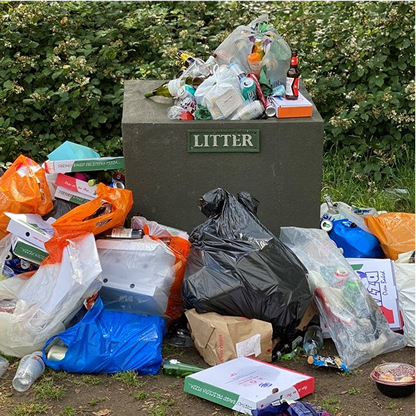
    2Reduce landfill Single use plastic pallet wrap can often be seen stuck in hedges and trees, or strewn at the roadside because it is often used to cover products which are transported on the back of open trailers, and as the force of the wind puts pressure on the plastic, this can easily be torn off and becomes litter on the roadside or in bushes or trees. If reusable pallet wraps were used instead, they would be sufficiently attached to the goods and the pallet so there would be no possibility of being ripped off. Also, the Palband product is made from mesh which allows the air to flow through it, therefore reducing the impact of the wind.

    3Reduce litter Weight of exempted plastic packaging and the reason for the exemption.

    4Reduce waste disposal costs Single use plastic waste needs to be stored somewhere before it can be removed from site and taken to landfill, so there’s a cost for storage, then the cost of transport, and the cost of dropping it at the landfill site. All these costs add up significantly over a year whereas the use of reusable pallet wraps negates all those costs.

    key plastic packaging tax points

    • Upcyclable and repairable Palband reusable pallet wraps can be successfully upcycled to create other useful items such as temporary fence post blocks, road cone bases and other heavy weight products where second-rate PVC can be used. They can also be repaired very effectively which lengthens their useful lifespan and continues to save you money.

    • Made to your bespoke requirements Some reusable pallet wraps are off the shelf which may or may not fit your specific needs, but the advantage of using the Palband product is that each one is tailored to suit your specific requirement, whether it be the size and weight of the goods on the pallet or in the roll cage trolley, the colour coding and branding to segregate specific transport arrangements, or the detachable lid to keep the rain out, all of your specific needs can be met with our bespoke designs. 

    • Operator comfort Many of our customers have mentioned that using our reusable pallet wraps have made wrapping pallets a whole lot easier, because the operative doesn’t need to run around the pallet 20 or 30 times with the single use wrap. Our Palband product only needs one walk around that saves the operative from getting dizzy which is a common complaint when hand wrapping pallets.

    • Show the public you care Environmental issues are now front of mind in the majority of the public, and any brands that can demonstrate that they are putting a strong focus on making changes to their environmental footprint will have approval from the environmentally conscious. To be able to broadcast that you have saved the use of many tons of single use plastic must be a good thing, and can be confidently communicated to the world, and for good reason. 

    Overview

    The tax applies to plastic packaging on a per component basis. Multi-material components are classed as plastic packaging if they are predominantly plastic by weight.
    A component must meet the following definition of ‘packaging’ to be liable for the tax:

    “Is a product that is designed to be suitable for use, whether alone or in combination with other products, in the containment, protection, handling, delivery or presentation of goods at any stage in the supply chain of the goods, from the producer of the goods to the consumer or user.”

    The responsibility for paying the Plastic Packaging Tax falls predominantly with importers of filled or unfilled plastic packaging and UK manufacturers of plastic packaging.


    The tax only applies if the business places more than 10 tonnes of plastic packaging onto the UK market.


    The business that completes the ‘last substantial modification’ to the plastic packaging or component is liable for the tax. If the last substantial modification is made at the point where empty packaging is filled with goods/products, then it is the substantial modification point prior to this. Care and due diligence is applied to the tax point. If you believe the Plastic Packaging Tax should have been paid before the packaging reaches your business, and it is not clearly stated on invoices, you may face secondary liability. 

    The responsibility for paying the Plastic Packaging Tax falls predominantly with importers of filled or unfilled plastic packaging and UK manufacturers of plastic packaging.

    The business that completes the ‘last substantial modification’ to the plastic packaging or component is liable for the tax. If the last substantial modification is made at the point where empty packaging is filled with goods/products, then it is the substantial modification point prior to this. Care and due diligence is applied to the tax point. If you believe the Plastic Packaging Tax should have been paid before the packaging reaches your business, and it is not clearly stated on invoices, you may face secondary liability. 

    Related Articles to read...

    Fill Out The Form Below And Find Out How Palband Can Help You Dramatically Reduce The Plastic Packaging Tax

    Speak to the Team

    Let us help you transition to a reusable solution that works harder for your business. Contact Palband today to explore standard sizes or request a bespoke quote. We’ll help you reduce waste, cut costs and protect your loads with confidence.

  • The Palband Blog

    frequently asked questions about reusable pallet wraps

    Palbands remove the need to use single-use plastic pallet wrap which is currently causing vast amounts of unnecessary plastic waste. The can also increase efficiencies within the warehouse environment and improve your carbon footprint and sustainability goals, along with reducing your ongoing packaging costs.

    This depends on several things including the weight of the load, the size and shape of the pallets, the quantity required and any extras needed such as document wallets and branding. Typically prices range from £20 to £120 but call us for an accurate cost for your specific application.

    Standard Palbands are manufactured from high strength PVC mesh with nylon or metal buckles and high grade webbing. During normal use, they will last for up to 1500 uses, but this will depend on how well they are looked after and stored correctly and how far they travel for each journey they are used for. Adjustments can be made to the standard product to upgrade the hems, corners, webbing and buckles to suit your specific needs.

    No. most of the time Palbands improve the efficiency of the wrapping operation for a number of reasons – if you’re using machine wrappers, these can take up to 1.5 minutes to wrap a pallet, and there is often time taken to load the pallet onto the wrapping platform and then move this to another area for labelling etc. With Palband, wrapping typically takes 45 seconds and this can be done anywhere in the warehouse. If you are hand wrapping, there is need to only walk around the pallet once, rather than 30 times with single use pallet wrap.

    Yes. They can be branded with military style print, or with your own specific branding and logos which are printed onto a waterproof sheet and welded to the Palband.

    Palbands can be made adjustable to suit a variety of load types. To ensure these are a good fit for your specific ugly freight, we would suggest a visit to your warehouse where we can check the finer details and create a sample for you to test. 

    If you require waterproofing then we would use a solid material and provide an attachable cover to ensure your goods are properly protected from the elements. 

    Palbands have strong straps and buckles that hold the load to the corners of the pallet to provide good load stability, along with the fastenings that hold the load tightly together during transit. 

    Related Articles to read...

    Fill Out The Form Below And Find Out How Palband Can Help You Dramatically Reduce The Plastic Packaging Tax

    Speak to the Team

    Let us help you transition to a reusable solution that works harder for your business. Contact Palband today to explore standard sizes or request a bespoke quote. We’ll help you reduce waste, cut costs and protect your loads with confidence.